


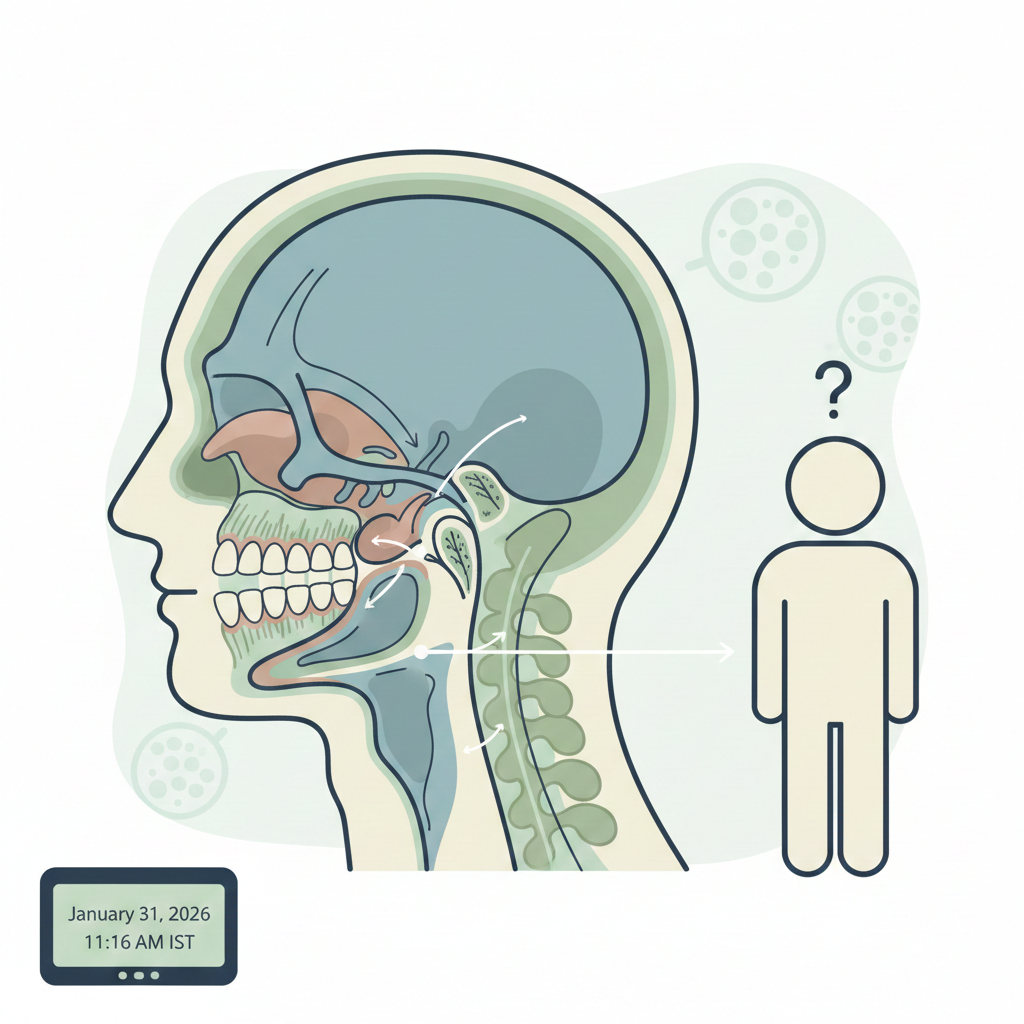
Chemotherapy is a commonly used treatment for head and neck cancers. For many patients, the idea of chemotherapy can feel overwhelming, often associated with fear of side effects and uncertainty. However, modern chemotherapy has evolved significantly, and when used correctly, it plays a vital role in controlling cancer, improving survival, and relieving symptoms.
This article explains the basics of chemotherapy for head and neck cancer, including how it works, when it is used, possible side effects, and how an experienced oncologist in Ahmedabad helps patients through the process.
What Is Chemotherapy?
Chemotherapy uses powerful anti-cancer drugs to destroy cancer cells or stop them from growing and dividing. These drugs travel through the bloodstream, allowing them to reach cancer cells throughout the body.
In head and neck cancers, chemotherapy is often used in combination with surgery and radiation therapy to improve outcomes.
When Is Chemotherapy Used in Head & Neck Cancer?
Chemotherapy may be recommended in several situations:
-
Along with radiation therapy (chemoradiation) for advanced cancers
-
After surgery to reduce the risk of recurrence
-
Before surgery to shrink large tumors
-
For recurrent or metastatic cancer
-
To relieve symptoms in advanced-stage disease
An oncologist in Ahmedabad evaluates the stage, type of cancer, and overall health of the patient before recommending chemotherapy.
Common Chemotherapy Drugs Used
Some commonly used chemotherapy drugs for head and neck cancer include:
-
Cisplatin
-
Carboplatin
-
5-Fluorouracil (5-FU)
-
Docetaxel
-
Paclitaxel
These drugs may be given alone or in combination depending on the treatment plan.
How Is Chemotherapy Given?
Chemotherapy can be administered in different ways:
Intravenous (IV) Chemotherapy
-
Given through a vein
-
Usually administered in a hospital or day-care setting
Oral Chemotherapy
-
Taken as tablets or capsules
-
Used in selected cases
Chemotherapy is usually given in cycles, allowing the body time to recover between treatments.
What to Expect During Chemotherapy
Each chemotherapy session may last from a few hours to a full day, depending on the drugs used. Patients can usually go home the same day.
Before treatment:
-
Blood tests are done
-
Hydration and medications are given to reduce side effects
Your oncologist in Ahmedabad will closely monitor your response and adjust treatment as needed.
Common Side Effects of Chemotherapy
Not everyone experiences the same side effects. Many side effects are temporary and manageable.
Short-Term Side Effects
-
Nausea and vomiting
-
Fatigue
-
Hair loss
-
Mouth sores
-
Loss of appetite
-
Increased risk of infection
Long-Term or Less Common Side Effects
-
Nerve damage (numbness or tingling)
-
Hearing changes (with certain drugs)
-
Kidney function changes
Your doctor will take steps to minimize these risks.
Managing Chemotherapy Side Effects
Medications
-
Anti-nausea drugs
-
Pain relievers
-
Medications to boost blood counts
Nutrition
-
Soft, high-protein foods
-
Small, frequent meals
-
Nutritional supplements
Infection Prevention
-
Good hand hygiene
-
Avoid crowded places when immunity is low
An experienced oncologist in Ahmedabad ensures that side effects are managed effectively so treatment can continue safely.
Chemotherapy and Quality of Life
Although chemotherapy can be challenging, supportive care has improved significantly. Many patients continue daily activities with some adjustments.
Emotional support, counseling, and family involvement play a vital role in coping during treatment.
Chemotherapy Combined with Radiation Therapy
Chemotherapy is often given alongside radiation therapy to:
-
Increase the effectiveness of radiation
-
Improve tumor control
-
Preserve organs such as the voice box
This approach requires close monitoring by a skilled oncology team.
Follow-Up During and After Chemotherapy
Regular follow-up visits include:
-
Blood tests
-
Monitoring for side effects
-
Imaging studies when required
After treatment completion, long-term follow-up helps detect recurrence early.
Who Should Not Receive Chemotherapy?
Chemotherapy may not be suitable for everyone. Patients with:
-
Poor kidney function
-
Severe infections
-
Certain medical conditions
may require modified treatment plans. Your oncologist in Ahmedabad will carefully assess suitability.
Benefits of Chemotherapy
Chemotherapy helps:
-
Shrink tumors
-
Improve survival
-
Reduce recurrence risk
-
Relieve symptoms
When used appropriately, it significantly improves treatment outcomes.
Final Thoughts
Chemotherapy is an important and effective treatment option for head and neck cancer patients. While it may cause side effects, modern supportive care and expert guidance make it more manageable than ever before.
If you or a loved one is starting chemotherapy, consulting an experienced oncologist in Ahmedabad ensures personalized care, close monitoring, and the best possible treatment outcomes.
Knowledge and preparation empower patients to face chemotherapy with confidence—and confidence is a powerful part of healing.

 Arabic
 French
 Spanish
 Portuguese
 Deutsch
 Turkish
 Dutch
Dutch
 Italiano
 Russian
 Romaian
 Portuguese (Brazil)
 Greek
Greek