


Introduction
When setting up data centers, server rooms, or networking equipment, choosing the right c15 power cables makes a significant difference in your infrastructure's efficiency and safety. These specialized power cables handle higher temperatures than standard C13 cables, making them essential for equipment that generates substantial heat. However, selecting the appropriate cable length requires understanding your available options and matching them to your specific installation needs.
Understanding C15 Power Cables
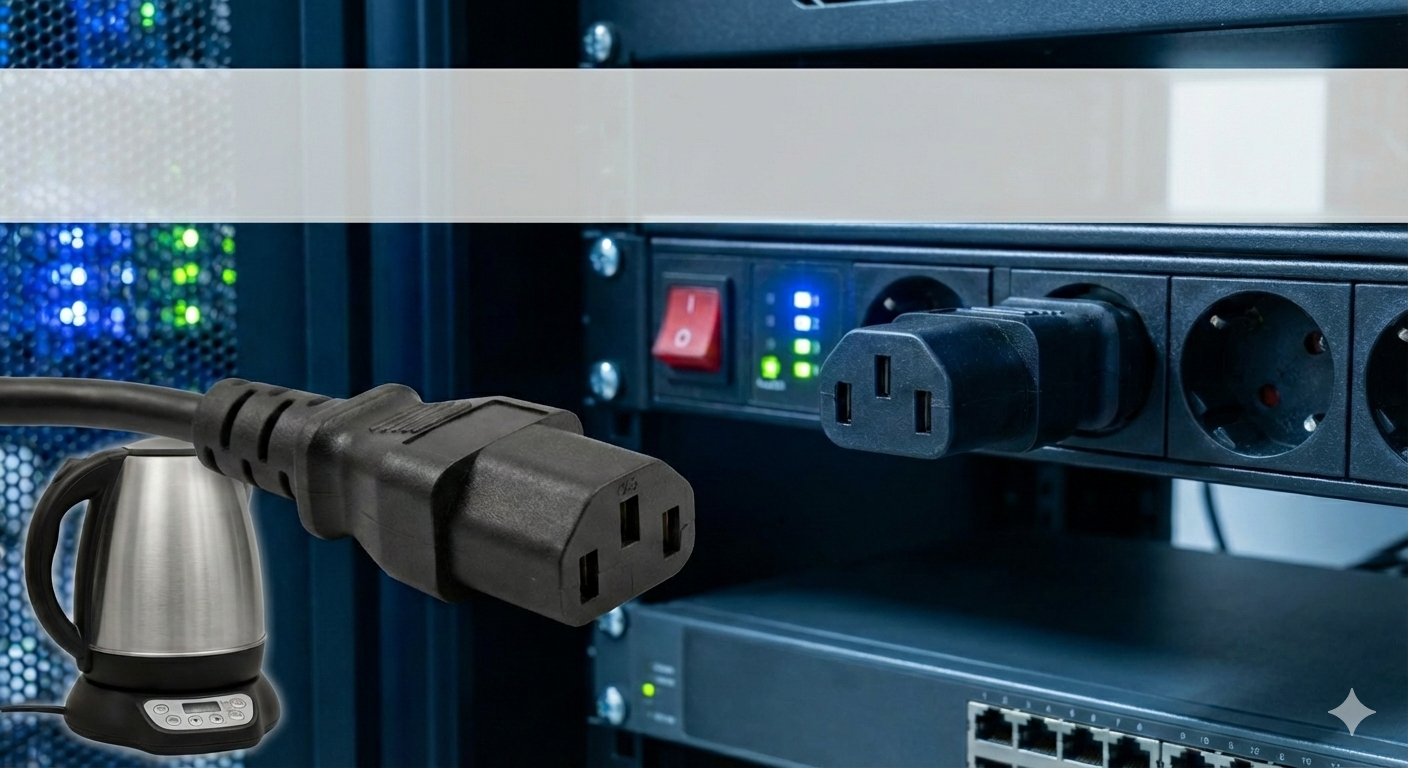
C15 power cables feature a notched design on the female connector that distinguishes them from their C13 counterparts. Manufacturers design these cables to withstand temperatures up to 120°C (248°F), compared to the 70°C (158°F) rating of standard C13 cables. This higher temperature rating makes c15 power cables the preferred choice for servers, high-performance networking switches, and industrial equipment that operates under demanding thermal conditions.
The IEC 60320 standard governs C15 connectors, ensuring compatibility and safety across different manufacturers and regions. Organizations worldwide rely on these cables to power critical infrastructure that cannot afford downtime due to cable failure.
Standard Length Options
Short Cables (1-3 Feet)
Manufacturers produce c15 power cables in 1-foot, 2-foot, and 3-foot lengths for tight spaces and rack-mounted equipment. Data center managers favor these shorter cables because they minimize cable clutter and improve airflow within server racks. The compact design reduces the risk of accidental disconnection and makes cable management significantly easier.
These short cables work perfectly when you mount power distribution units (PDUs) directly behind or beside your equipment. They keep your installation neat and professional while maintaining the high-temperature tolerance required for demanding applications.
Medium Cables (4-10 Feet)
The 4-foot, 6-foot, 8-foot, and 10-foot options represent the most popular lengths for c15 power cables. These medium-length cables provide flexibility for various rack configurations and allow you to position equipment at comfortable distances from power sources. The 6-foot cable has become an industry standard because it accommodates most standard rack depths while leaving enough slack for equipment adjustments.
Organizations use these medium-length cables when they need to connect equipment across adjacent racks or when the PDU mounts at a different level than the powered device. The additional length prevents strain on connectors and allows for future reconfiguration without replacing cables.
Long Cables (12-25 Feet)
For installations requiring extended reach, manufacturers offer c15 power cables in 12-foot, 15-foot, 20-foot, and 25-foot lengths. These longer cables serve situations where equipment sits far from available power outlets or when you route cables through raised floors, overhead cable trays, or around obstacles.
Facilities with distributed power sources or unique architectural layouts depend on these longer cables to maintain proper power delivery without compromising safety standards. However, professionals recommend avoiding excessive lengths when possible to minimize voltage drop and reduce cable management challenges.
Custom Length Options
Many suppliers manufacture custom-length c15 power cables to meet specific installation requirements. When standard lengths don't suit your needs, custom cables eliminate excess slack and create cleaner installations. You can order these cables in precise measurements, sometimes down to the inch, ensuring perfect fit for your unique setup.
Custom cables cost more than standard options, but they deliver value in applications where cable management is critical or where standard lengths would create safety hazards through excessive bundling or stretching.
Factors Affecting Length Selection
Distance Requirements
Measure the actual distance between your equipment and power source before purchasing c15 power cables. Add 10-20% extra length to account for routing around obstacles, vertical runs, and connection strain relief. This buffer prevents cables from pulling tight, which can damage connectors or create disconnection risks.
Voltage Drop Considerations
Longer cables experience greater voltage drop, particularly under heavy loads. While this rarely affects most applications using c15 power cables, critical equipment may require shorter cables or heavier gauge wire to maintain proper voltage levels. Consult equipment specifications to ensure your chosen cable length delivers adequate power.
Cable Management Strategy
Your overall cable management approach influences optimal cable length. Raised floor installations often require longer cables, while overhead cable tray systems might work better with medium lengths. Consider how cables will route through your environment and whether you'll use cable organizers, zip ties, or velcro straps.
Future Flexibility
Choose slightly longer c15 power cables if you anticipate equipment moves or rack reorganization. The modest cost difference between cable lengths pales compared to the expense of replacing cables during infrastructure changes. Extra length provides valuable flexibility without creating significant management challenges.
Industry-Specific Preferences
Data Centers
Data centers typically standardize on 6-foot and 10-foot c15 power cables for rack-mounted servers and networking equipment. This standardization simplifies inventory management and ensures technicians can quickly replace failed cables without searching for specific lengths.
Industrial Settings
Manufacturing facilities and industrial environments often require longer cable runs due to equipment placement and power distribution layouts. These settings frequently use 15-foot and 20-foot c15 power cables to connect machinery to wall-mounted or ceiling-mounted power sources.
Laboratory Environments
Research laboratories and testing facilities need various cable lengths to accommodate diverse equipment configurations. These environments typically stock multiple lengths, allowing researchers to configure workspaces according to specific experimental requirements.
Choosing the Right Length
Start by measuring your installation space accurately. Consider the path your cable will follow, including any vertical rises, horizontal runs, and turns around obstacles. Add appropriate slack for strain relief at both connections. Compare this total against available standard lengths and select the next size up if your measurement falls between standard options.
Remember that c15 power cables carry the same electrical current regardless of length, but shorter cables reduce electromagnetic interference and make installations cleaner. Balance your need for reach against the benefits of minimalism in cable management.
Conclusion
C15 power cables come in comprehensive length options ranging from compact 1-foot cables to extended 25-foot runs, with custom lengths available for specialized needs. Your ideal cable length depends on installation distance, cable management strategy, and future flexibility requirements. By selecting appropriate lengths, you create safer, more organized installations that support reliable operation of high-temperature equipment. Whether you need short cables for dense rack configurations or longer options for distributed power systems, understanding available lengths helps you build professional, efficient infrastructure.

 English
 Arabic
 French
 Spanish
 Portuguese
 Deutsch
 Turkish
 Dutch
Dutch
 Russian
 Romaian
 Portuguese (Brazil)
 Greek
Greek