


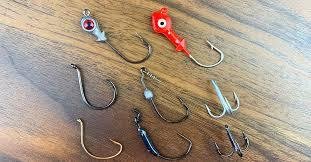
Fishing has always been more than just a hobby; it’s a relaxing escape and a skill that connects people with nature. Whether you fish for fun, sport, or food, one of the most important tools in your tackle box is the fishing hook. While it may look small and simple, the fishing hook plays a huge role in determining your success on the water. The type, size, and sharpness of the hook can make all the difference between catching a big one and watching it swim away. Understanding how fishing hooks work, their different types, and how to choose the right one will help you improve your fishing game and make every trip more rewarding.
Why Choosing the Right Fishing Hooks Matters
Many beginners focus on rods, reels, or bait but overlook the importance of fishing hooks. However, experienced anglers know that the right hook can greatly increase their chances of landing a catch. Fishing hooks are designed to hold the bait securely and pierce the fish’s mouth effectively when it bites. If the hook is too large, too small, or dull, the fish might escape, or the bait may not stay in place.
Different fish species have different mouth shapes and sizes, which means that one hook type may not suit every situation. Choosing the right fishing hook also depends on your fishing environment, whether you’re fishing in freshwater, saltwater, or deep-sea conditions. Using hooks designed for your specific needs ensures better performance, reduces harm to fish, and improves your overall experience.
Understanding Hook Sizes
Hook size is another critical factor to consider. Hook sizes may seem confusing at first because they are labeled in an opposite order; smaller numbers mean larger hooks up to size 1, and then the sizes increase with a “/0” system (e.g., 2/0, 3/0, etc.). For example, a size 10 hook is smaller than a size 2 hook, but a 4/0 hook is larger than both.
Choosing the right size depends on the type of fish you want to catch and the bait you are using. Small hooks are best for small fish like bluegill or crappie, while larger hooks are suitable for bigger fish such as tuna or catfish. Using the correct size ensures that the bait looks natural and increases your chance of a proper hookset.
Materials and Coatings of Fishing Hooks
Modern fishing hooks are made from various materials like high-carbon steel, stainless steel, or a combination of both. These materials are designed to be strong yet flexible enough to handle tension when a fish is hooked. Some hooks also have special coatings like nickel, tin, or Teflon to prevent rusting and improve penetration.
For saltwater fishing, corrosion-resistant hooks are essential because saltwater can quickly damage ordinary hooks. Coated hooks not only last longer but also slide more smoothly into the fish’s mouth, ensuring a cleaner and more effective catch.
How to Keep Your Fishing Hooks Sharp and Effective
A sharp hook is vital for successful fishing. Over time, hooks can become dull from hitting rocks, dragging through sand, or catching multiple fish. To maintain their sharpness, you can use a small hook file or a sharpening stone to restore the point. Always check your hooks before every fishing trip; if it doesn’t easily scratch your fingernail, they need sharpening.
Also, store your hooks in a dry place to prevent rusting. Using small plastic boxes or hook organizers can help you separate different sizes and types, making them easy to find and use when needed.
Best Practices for Hooking and Releasing Fish
Ethical fishing involves not just catching but also handling fish responsibly. When you hook a fish, try to set the hook gently but firmly. Avoid pulling too hard, as it may injure the fish or break the line. If you plan to release the fish, circle hooks are recommended because they reduce deep hooking.
Before removing the hook, wet your hands to protect the fish’s slime coating, which helps prevent infection. Use pliers or a hook remover to gently take the hook out, and if the fish has swallowed it deeply, it’s better to cut the line close to the hook rather than pulling it out forcefully.
Conclusion
Fishing hooks may be small, but they play a big role in every successful fishing experience. The right hook improves your chances of catching fish, protects them during release, and ensures your bait stays secure. By learning about different types, sizes, and materials, you can make smarter choices that match your fishing goals and environment.
Whether you’re a beginner casting your first line or an experienced angler chasing your next big catch, understanding fishing hooks will make every trip more effective and enjoyable. So, before you head out to the water, take time to choose the right hook, because sometimes, it’s the smallest detail that leads to the biggest catch.

 English
 French
 Spanish
 Portuguese
 Deutsch
 Turkish
 Dutch
Dutch
 Italiano
 Russian
 Romaian
 Portuguese (Brazil)
 Greek
Greek