


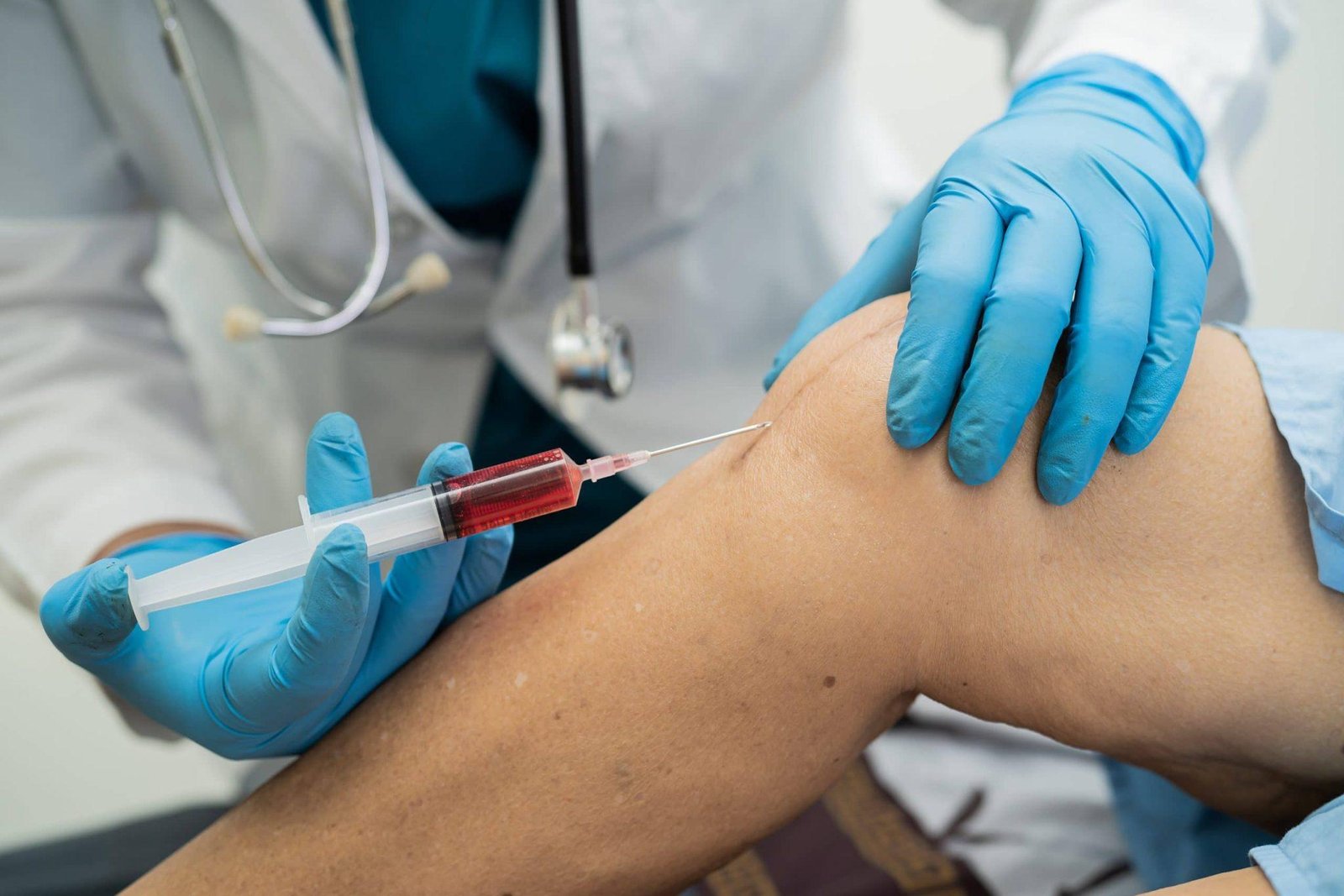
Knee pain is one of the most common musculoskeletal complaints, affecting millions of people around the world. Whether caused by aging, arthritis, sports injuries, or repetitive strain, discomfort in the knee can significantly limit mobility and lower the quality of life. As more individuals look for non-surgical options to manage pain, knee injections have become a trusted solution that provides relief, reduces inflammation, and helps restore function. Understanding how these treatments work can empower patients to make informed decisions about their joint health.
Understanding Knee Pain and Its Causes
The knee joint is a powerful yet delicate structure made up of bones, ligaments, tendons, cartilage, and fluid-filled sacs. Because it supports body weight and is constantly in motion, it is highly prone to wear and injury.
Common causes of knee pain include:
-
Osteoarthritis
-
Ligament injuries
-
Meniscus tears
-
Overuse injuries
-
Chronic inflammation
-
Lifestyle factors such as obesity or poor posture
When the joint becomes inflamed or the cartilage breaks down, movement becomes painful and stiff. While lifestyle changes and physical therapy help many individuals, others require more targeted treatments to ease their symptoms.
What Are Knee Injections?
Knee injections are minimally invasive treatments used to deliver medication directly into the knee joint. These medications reduce inflammation, lubricate the joint, or stimulate natural healing processes depending on the type of injection. Because the treatment is delivered straight to the affected area, patients often experience relief much faster than with oral medications or topical treatments.
These injections are typically recommended for individuals who have tried conservative approaches such as rest, physiotherapy, and anti-inflammatory pills but still struggle with persistent discomfort.
Types of Injections for Knee Pain
There are several types of injectable treatments available today, each designed to target specific problems within the joint. The choice of injection depends on the diagnosis, pain severity, and overall health.
Corticosteroid Injections
These injections are among the most commonly prescribed options. Corticosteroids act as powerful anti-inflammatory agents, reducing swelling and pain within the joint. Relief often begins within a few days and may last for weeks or months. While effective, these injections are usually limited in frequency to avoid joint damage.
Hyaluronic Acid Injections
Also known as viscosupplementation, these injections work by replacing or supplementing the natural fluid inside the knee. Hyaluronic acid helps lubricate the joint, reducing friction and improving mobility. This treatment is especially useful for people with osteoarthritis who experience joint stiffness and grinding sensations.
Platelet-Rich Plasma (PRP) Therapy
PRP uses the patient’s own blood, which is processed to isolate growth factors. When injected into the knee, PRP helps stimulate tissue repair and regeneration. This treatment is popular among athletes and active individuals seeking a natural and long-lasting solution.
Stem Cell-Based Injections
In some cases, stem cells derived from bone marrow or fat tissue may be used to encourage healing. Although still considered an emerging therapy, early results show promise for individuals with cartilage damage or chronic joint degeneration.
How the Procedure Is Done
The process of receiving knee injections is typically quick and simple. A specialist begins by evaluating the joint, often using ultrasound to identify the best injection site. The skin is cleaned, and a local anesthetic may be applied to reduce discomfort. A fine needle is then inserted into the joint space to deliver the medication.
Most procedures take less than 20 minutes, and patients can walk out immediately afterward. Some may experience mild stiffness or swelling, but these symptoms typically resolve within a day or two.
Benefits of Knee Injections
These injections offer multiple benefits, making them an appealing option for patients seeking non-surgical relief.
Fast and Targeted Pain Relief
Unlike oral medications, injections treat the root of the problem directly, providing quicker and more targeted relief.
Improved Mobility
Reducing inflammation and lubricating the joint helps restore range of motion, making walking, climbing stairs, and daily activities easier.
Minimal Downtime
Most individuals can return to normal activities within hours, making the treatment convenient for those with busy schedules.
Non-Surgical Approach
For individuals hoping to avoid knee replacement or invasive procedures, injections offer an effective alternative that can delay or even prevent surgery.
Versatility
With different types of injections available, treatment can be customized based on each patient's unique condition and goals.
Who Can Benefit from Knee Injections?
These treatments are suitable for a wide range of individuals, including:
-
Older adults with arthritis
-
Athletes recovering from injury
-
People with chronic inflammation
-
Individuals experiencing pain due to repetitive stress
-
Patients not responding to medication or physiotherapy
They are especially beneficial for those not ready for surgical intervention or those who prefer minimally invasive solutions.
Potential Side Effects
While knee injections are generally safe, minor side effects can occur. These may include temporary swelling, redness, or warmth at the injection site. Rare complications such as infection, bleeding, or allergic reactions may occur, but these risks are minimized when the procedure is performed by a qualified professional.
Patients with diabetes should note that corticosteroid injections may temporarily raise blood sugar levels. It’s important to disclose your full medical history to your provider before undergoing treatment.
Supporting Recovery After Treatment
After the injection, patients are usually advised to avoid heavy lifting, strenuous exercise, or long periods of standing for at least 24 hours. Applying ice can help reduce any temporary discomfort.
In the long term, incorporating healthy habits such as weight management, strengthening exercises, and low-impact activities like swimming or cycling can enhance and prolong the benefits of the treatment.
When to Consider More Advanced Options
While injections provide relief for many, some individuals may eventually need additional treatments or surgical options if pain persists. Knee replacement surgery may be recommended for individuals with severe joint damage or advanced arthritis.
However, for many people, these injections help manage symptoms effectively for years, improving mobility and maintaining a better quality of life.
Conclusion
For those struggling with persistent knee pain, stiffness, or swelling, knee injections offer a safe, effective, and minimally invasive solution. With multiple types of treatments available, they can be tailored to each individual’s condition, helping reduce discomfort and restore mobility. Combined with healthy lifestyle changes and proper medical guidance, these injections can play a crucial role in long-term joint health and improved daily comfort.

 English
 Arabic
 French
 Spanish
 Portuguese
 Turkish
 Dutch
Dutch
 Italiano
 Russian
 Romaian
 Portuguese (Brazil)
 Greek
Greek