

Sponsorizzato
  • AI Transformation Beyond the Hype: Why Enterprises Must Rethink Business, Not Just Technology

    Over the past three years, Artificial Intelligence has evolved from a promising technology into a boardroom mandate. Every executive discussion seems to include AI. Every technology roadmap includes AI. Every software vendor claims to be AI-powered. Organizations across industries are launching pilots, experimenting with Generative AI, deploying copilots, and exploring automation opportunities at an unprecedented pace.

    Ready to Move Beyond AI Pilots and Create Enterprise-Wide Transformation?

    Discover how QKS Group helps organizations align AI initiatives with business strategy, operating models, governance, workforce readiness, and measurable outcomes.

    Explore our AI Transformation services: AI Transformation Advisory Platform by QKS Group

    For more information : https://qksgroup.com/ai-transformation

    Yet despite the enthusiasm, a critical question remains unanswered -
    Are organizations truly transforming, or are they simply deploying new technology?

    The distinction matters. History is filled with examples of enterprises that invested heavily in emerging technologies without fundamentally changing how they operated. They digitized existing processes, modernized applications, and automated workflows, yet failed to create sustainable competitive advantage.

    AI presents a similar risk. Many organizations are approaching AI as another technology implementation initiative. The most successful organizations, however, recognize something fundamentally different. AI is not simply a technology shift. It is a business transformation imperative.

    The enterprises that thrive over the next decade will not be those that deploy the most AI tools. They will be those that successfully redesign strategy, operating models, talent, governance, and decision-making around intelligence. The future belongs to organizations that understand AI transformation is ultimately about business reinvention.

    The Evolution of Enterprise Transformation
    Every major technology wave has reshaped business. Mainframe computing enabled scale. Enterprise applications improved process standardization. The internet transformed customer engagement. Cloud computing accelerated agility. Digital transformation connected organizations.

    Artificial Intelligence represents the next phase of this evolution. What makes AI different is its ability to influence decisions rather than merely automate transactions. Traditional technologies improved efficiency. AI improves intelligence. This distinction is profound.

    When organizations can predict outcomes, automate knowledge work, personalize customer experiences, optimize decisions, and continuously learn from data, they are no longer simply improving operations.

    They are changing how value is created. This is why AI transformation should not be viewed as an extension of digital transformation. It represents an entirely new transformation agenda.

    A few relevant examples include:
    Customer Intelligence: AI enables organizations to understand customer behavior, preferences, and intent at unprecedented levels. Personalization becomes scalable. Engagement becomes proactive. Customer experiences improve dramatically.

    Decision Intelligence: AI can analyze vast amounts of information and identify patterns beyond human capability. Organizations gain: Faster insights, better forecasts, Improved risk management, Enhanced strategic planning

    Operational Intelligence: Supply chains become more resilient. Manufacturing becomes more adaptive. Service operations become more responsive. Organizations move beyond efficiency toward optimization. This shift from automation to intelligence is where true transformation occurs.

    The Future of AI Transformation is interesting. The next decade will see AI become deeply embedded across every aspect of enterprise operations. Several trends such as Agentic AI Hyper-Personalization, Autonomous Operations & Decision-Centric Organizations are already emerging. Autonomous agents capable of planning and executing tasks will become increasingly common. Organizations will begin managing hybrid workforces consisting of humans and digital workers.

    Customer experiences will become more adaptive, contextual, and individualized. Supply chains, manufacturing environments, and service operations will become increasingly self-optimizing. Competitive advantage will increasingly be determined by the speed and quality of decision-making. Organizations that embrace these trends early will be better positioned for long-term success.

    Partner with QKS Group to accelerate your AI transformation journey. Access Your AI Maturity in 4 minutes: SPARK Plus by QKS Group

    Author: Devendra Pagnis, AVP and Principal Advisor at QKs Group

    AI Transformation Beyond the Hype: Why Enterprises Must Rethink Business, Not Just Technology Over the past three years, Artificial Intelligence has evolved from a promising technology into a boardroom mandate. Every executive discussion seems to include AI. Every technology roadmap includes AI. Every software vendor claims to be AI-powered. Organizations across industries are launching pilots, experimenting with Generative AI, deploying copilots, and exploring automation opportunities at an unprecedented pace. Ready to Move Beyond AI Pilots and Create Enterprise-Wide Transformation? Discover how QKS Group helps organizations align AI initiatives with business strategy, operating models, governance, workforce readiness, and measurable outcomes. Explore our AI Transformation services: AI Transformation Advisory Platform by QKS Group For more information : https://qksgroup.com/ai-transformation Yet despite the enthusiasm, a critical question remains unanswered - Are organizations truly transforming, or are they simply deploying new technology? The distinction matters. History is filled with examples of enterprises that invested heavily in emerging technologies without fundamentally changing how they operated. They digitized existing processes, modernized applications, and automated workflows, yet failed to create sustainable competitive advantage. AI presents a similar risk. Many organizations are approaching AI as another technology implementation initiative. The most successful organizations, however, recognize something fundamentally different. AI is not simply a technology shift. It is a business transformation imperative. The enterprises that thrive over the next decade will not be those that deploy the most AI tools. They will be those that successfully redesign strategy, operating models, talent, governance, and decision-making around intelligence. The future belongs to organizations that understand AI transformation is ultimately about business reinvention. The Evolution of Enterprise Transformation Every major technology wave has reshaped business. Mainframe computing enabled scale. Enterprise applications improved process standardization. The internet transformed customer engagement. Cloud computing accelerated agility. Digital transformation connected organizations. Artificial Intelligence represents the next phase of this evolution. What makes AI different is its ability to influence decisions rather than merely automate transactions. Traditional technologies improved efficiency. AI improves intelligence. This distinction is profound. When organizations can predict outcomes, automate knowledge work, personalize customer experiences, optimize decisions, and continuously learn from data, they are no longer simply improving operations. They are changing how value is created. This is why AI transformation should not be viewed as an extension of digital transformation. It represents an entirely new transformation agenda. A few relevant examples include: Customer Intelligence: AI enables organizations to understand customer behavior, preferences, and intent at unprecedented levels. Personalization becomes scalable. Engagement becomes proactive. Customer experiences improve dramatically. Decision Intelligence: AI can analyze vast amounts of information and identify patterns beyond human capability. Organizations gain: Faster insights, better forecasts, Improved risk management, Enhanced strategic planning Operational Intelligence: Supply chains become more resilient. Manufacturing becomes more adaptive. Service operations become more responsive. Organizations move beyond efficiency toward optimization. This shift from automation to intelligence is where true transformation occurs. The Future of AI Transformation is interesting. The next decade will see AI become deeply embedded across every aspect of enterprise operations. Several trends such as Agentic AI Hyper-Personalization, Autonomous Operations & Decision-Centric Organizations are already emerging. Autonomous agents capable of planning and executing tasks will become increasingly common. Organizations will begin managing hybrid workforces consisting of humans and digital workers. Customer experiences will become more adaptive, contextual, and individualized. Supply chains, manufacturing environments, and service operations will become increasingly self-optimizing. Competitive advantage will increasingly be determined by the speed and quality of decision-making. Organizations that embrace these trends early will be better positioned for long-term success. Partner with QKS Group to accelerate your AI transformation journey. Access Your AI Maturity in 4 minutes: SPARK Plus by QKS Group Author: Devendra Pagnis, AVP and Principal Advisor at QKs Group
    AI Transformation Advisory Platform by QKS Group
    QKS Group a leading global advisory and research firm that empowers technology innovators and adopters. provides comprehensive data analysis and actionable insights to elevate product strategies, understand market trends, and drive digital transformation.
    Like
    1
    0 Commenti 0 condivisioni 210 Views
  • What Users Expect From an On-Demand Beauty Service App

    A few years ago, booking a salon appointment still involved phone calls, uncertain availability, and long waiting times. Today, that experience feels outdated. Consumers have become deeply accustomed to instant digital convenience, and the beauty industry is no exception.

    From food delivery to ride-hailing apps, modern users now expect services to adapt to their schedules instead of the other way around. That shift has dramatically changed how people discover, book, and experience beauty services. Convenience alone is no longer enough. Users expect personalization, transparency, speed, trust, and seamless mobile experiences from every platform they use.

    This evolution has pushed the on-demand beauty service app from being a niche digital offering into a serious customer experience layer for modern beauty businesses. And as competition grows, user expectations continue to become more sophisticated.

    Explore Our Services:
    https://gojekcloneappscript.com/grow-your-business-with-gojek-clone-script/

    #ondemandbeautyserviceapp #whitelabelbeautyapp #scalablebeautyappsolution #salonbookingapp #beautybookingplatform #AIpoweredbeautyserviceapp #beautyserviceappdevelopment #scalablebeautyserviceapp #gojekbeautyserviceappclone #allinonebeautyserviceapp
    What Users Expect From an On-Demand Beauty Service App A few years ago, booking a salon appointment still involved phone calls, uncertain availability, and long waiting times. Today, that experience feels outdated. Consumers have become deeply accustomed to instant digital convenience, and the beauty industry is no exception. From food delivery to ride-hailing apps, modern users now expect services to adapt to their schedules instead of the other way around. That shift has dramatically changed how people discover, book, and experience beauty services. Convenience alone is no longer enough. Users expect personalization, transparency, speed, trust, and seamless mobile experiences from every platform they use. This evolution has pushed the on-demand beauty service app from being a niche digital offering into a serious customer experience layer for modern beauty businesses. And as competition grows, user expectations continue to become more sophisticated. Explore Our Services: https://gojekcloneappscript.com/grow-your-business-with-gojek-clone-script/ #ondemandbeautyserviceapp #whitelabelbeautyapp #scalablebeautyappsolution #salonbookingapp #beautybookingplatform #AIpoweredbeautyserviceapp #beautyserviceappdevelopment #scalablebeautyserviceapp #gojekbeautyserviceappclone #allinonebeautyserviceapp
    0 Commenti 0 condivisioni 295 Views
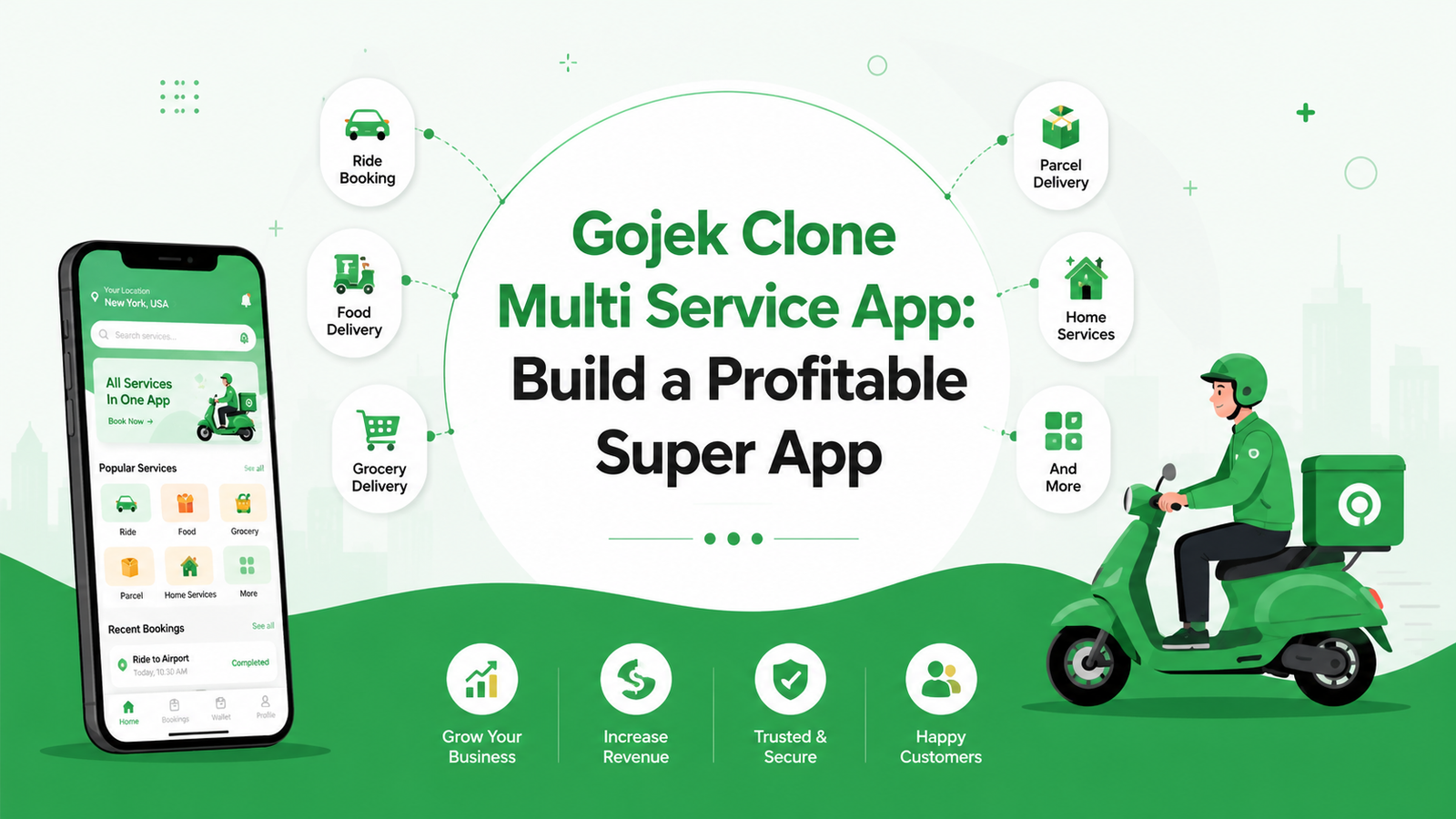
  • Gojek Clone Multi Service App: Build a Profitable Super App

    Many businesses want to simplify their operations while offering customers a wider range of services from one platform. Managing separate applications for transportation, food delivery, home services, and other on-demand solutions can be challenging and time-consuming. A unified platform helps businesses streamline service management, improve operational efficiency, and create a smoother customer experience.

    As demand for convenience continues to grow, integrated digital platforms are becoming a preferred choice for startups and established businesses alike. This growing trend has increased interest in the Gojek Clone multi-service app, which allows multiple services to operate within a single digital ecosystem.

    Explore Our Services:
    https://gojekcloneappscript.com/why-gojek-clone-apps-are-the-future-of-multi-service-apps/

    #gojekclonemultiserviceapp #gojekcloneapp #superappsolution #multiserviceappdevelopment #whitelabelgojekapp #gojekcloneappscript #allinoneserviceapp #ondemandmultiserviceapp #superappdevelopment #multiservicebusinessapp #bestmultiserviceappdevelopmentcompany
    Gojek Clone Multi Service App: Build a Profitable Super App Many businesses want to simplify their operations while offering customers a wider range of services from one platform. Managing separate applications for transportation, food delivery, home services, and other on-demand solutions can be challenging and time-consuming. A unified platform helps businesses streamline service management, improve operational efficiency, and create a smoother customer experience. As demand for convenience continues to grow, integrated digital platforms are becoming a preferred choice for startups and established businesses alike. This growing trend has increased interest in the Gojek Clone multi-service app, which allows multiple services to operate within a single digital ecosystem. Explore Our Services: https://gojekcloneappscript.com/why-gojek-clone-apps-are-the-future-of-multi-service-apps/ #gojekclonemultiserviceapp #gojekcloneapp #superappsolution #multiserviceappdevelopment #whitelabelgojekapp #gojekcloneappscript #allinoneserviceapp #ondemandmultiserviceapp #superappdevelopment #multiservicebusinessapp #bestmultiserviceappdevelopmentcompany
    0 Commenti 0 condivisioni 1023 Views
  • Market Forecast: Data Quality Tools

    In today’s digital economy, businesses rely heavily on accurate, consistent, and reliable data to drive decision-making, improve customer experiences, and maintain operational efficiency. As organizations continue adopting data-driven processes across departments, the demand for advanced Data Quality Tools has increased significantly. Modern enterprises generate massive volumes of structured and unstructured data, making it essential to implement intelligent solutions that ensure data accuracy, governance, and compliance.

    Click here for more information : https://qksgroup.com/market-research/market-forecast-data-quality-tools-2026-2030-worldwide-2689

    What Are Data Quality Tools?
    Data Quality Tools are software solutions designed to identify, clean, validate, enrich, and monitor data across enterprise systems. These tools help organizations maintain high-quality datasets by eliminating duplicates, correcting inconsistencies, standardizing formats, and validating records in real time.

    The Growing Need for Data Quality Augmentation
    With the rapid growth of enterprise data, traditional data quality processes are no longer sufficient. Manual data cleansing and validation methods are time-consuming, error-prone, and incapable of handling large-scale data environments. This is where Data Quality Augmentation becomes critical.

    Benefits of Advanced Augmentation in Data Quality Tools
    1. Reduced Manual Errors
    One of the biggest advantages of augmented Data Quality Tools is the reduction of human errors. Manual data handling often leads to duplicate entries, formatting inconsistencies, and incomplete records. AI-powered automation minimizes these risks by continuously monitoring and correcting data issues in real time.

    Organizations using automated Data Quality Solutions can significantly improve operational efficiency while reducing the costs associated with poor-quality data.

    2. Improved Data Accuracy
    Data accuracy is crucial for analytics, reporting, and strategic planning. Advanced augmentation capabilities help organizations identify incorrect or outdated information faster and more effectively.

    Machine learning algorithms can analyze patterns, detect anomalies, and recommend corrections, ensuring businesses work with highly reliable datasets. Improved data accuracy directly impacts customer satisfaction, financial forecasting, and business intelligence outcomes.

    3. Stronger Data Governance
    As data privacy regulations continue evolving, businesses must establish stronger governance frameworks. Augmented Data Governance and Data Quality Tools help organizations maintain compliance with industry regulations by enforcing data standards, tracking data lineage, and ensuring transparency across systems.

    Click here for market share report : https://qksgroup.com/market-research/market-share-data-quality-tools-2025-worldwide-2761

    4. Flexibility for Different Data Types
    Modern businesses manage multiple forms of data, including structured, semi-structured, and unstructured data. Traditional systems often struggle to process this diversity efficiently.

    Advanced Data Quality Platforms offer flexible capabilities that support various data formats, including cloud data, customer records, IoT data, social media content, and enterprise applications. This flexibility enables organizations to scale operations without compromising data quality.

    5. Enhanced Decision-Making
    Reliable data is the foundation of effective decision-making. Augmented data quality capabilities ensure that executives, analysts, and operational teams can trust the information they use daily.

    The Role of AI and Automation in Data Quality Management
    Artificial Intelligence and automation are revolutionizing modern data management strategies. AI-powered Data Quality Software can proactively identify inconsistencies, predict potential quality issues, and automate data remediation processes.

    Additionally, AI-driven augmentation supports continuous improvement by learning from historical data patterns and adapting to changing business requirements.

    Conclusion
    As enterprises continue embracing digital transformation and data-driven strategies, the importance of advanced Data Quality Tools cannot be overstated. Integrating augmentation capabilities into data quality solutions enables organizations to reduce manual errors, improve accuracy, strengthen governance, and support diverse data environments.
    Market Forecast: Data Quality Tools In today’s digital economy, businesses rely heavily on accurate, consistent, and reliable data to drive decision-making, improve customer experiences, and maintain operational efficiency. As organizations continue adopting data-driven processes across departments, the demand for advanced Data Quality Tools has increased significantly. Modern enterprises generate massive volumes of structured and unstructured data, making it essential to implement intelligent solutions that ensure data accuracy, governance, and compliance. Click here for more information : https://qksgroup.com/market-research/market-forecast-data-quality-tools-2026-2030-worldwide-2689 What Are Data Quality Tools? Data Quality Tools are software solutions designed to identify, clean, validate, enrich, and monitor data across enterprise systems. These tools help organizations maintain high-quality datasets by eliminating duplicates, correcting inconsistencies, standardizing formats, and validating records in real time. The Growing Need for Data Quality Augmentation With the rapid growth of enterprise data, traditional data quality processes are no longer sufficient. Manual data cleansing and validation methods are time-consuming, error-prone, and incapable of handling large-scale data environments. This is where Data Quality Augmentation becomes critical. Benefits of Advanced Augmentation in Data Quality Tools 1. Reduced Manual Errors One of the biggest advantages of augmented Data Quality Tools is the reduction of human errors. Manual data handling often leads to duplicate entries, formatting inconsistencies, and incomplete records. AI-powered automation minimizes these risks by continuously monitoring and correcting data issues in real time. Organizations using automated Data Quality Solutions can significantly improve operational efficiency while reducing the costs associated with poor-quality data. 2. Improved Data Accuracy Data accuracy is crucial for analytics, reporting, and strategic planning. Advanced augmentation capabilities help organizations identify incorrect or outdated information faster and more effectively. Machine learning algorithms can analyze patterns, detect anomalies, and recommend corrections, ensuring businesses work with highly reliable datasets. Improved data accuracy directly impacts customer satisfaction, financial forecasting, and business intelligence outcomes. 3. Stronger Data Governance As data privacy regulations continue evolving, businesses must establish stronger governance frameworks. Augmented Data Governance and Data Quality Tools help organizations maintain compliance with industry regulations by enforcing data standards, tracking data lineage, and ensuring transparency across systems. Click here for market share report : https://qksgroup.com/market-research/market-share-data-quality-tools-2025-worldwide-2761 4. Flexibility for Different Data Types Modern businesses manage multiple forms of data, including structured, semi-structured, and unstructured data. Traditional systems often struggle to process this diversity efficiently. Advanced Data Quality Platforms offer flexible capabilities that support various data formats, including cloud data, customer records, IoT data, social media content, and enterprise applications. This flexibility enables organizations to scale operations without compromising data quality. 5. Enhanced Decision-Making Reliable data is the foundation of effective decision-making. Augmented data quality capabilities ensure that executives, analysts, and operational teams can trust the information they use daily. The Role of AI and Automation in Data Quality Management Artificial Intelligence and automation are revolutionizing modern data management strategies. AI-powered Data Quality Software can proactively identify inconsistencies, predict potential quality issues, and automate data remediation processes. Additionally, AI-driven augmentation supports continuous improvement by learning from historical data patterns and adapting to changing business requirements. Conclusion As enterprises continue embracing digital transformation and data-driven strategies, the importance of advanced Data Quality Tools cannot be overstated. Integrating augmentation capabilities into data quality solutions enables organizations to reduce manual errors, improve accuracy, strengthen governance, and support diverse data environments.
    QKSGROUP.COM
    Market Forecast: Data Quality Tools, 2026-2030, Worldwide
    Quadrant Knowledge Solutions Reveals that Data Quality Tools Projected to Register a CAGR of 10.60% ...
    Like
    1
    0 Commenti 0 condivisioni 1147 Views
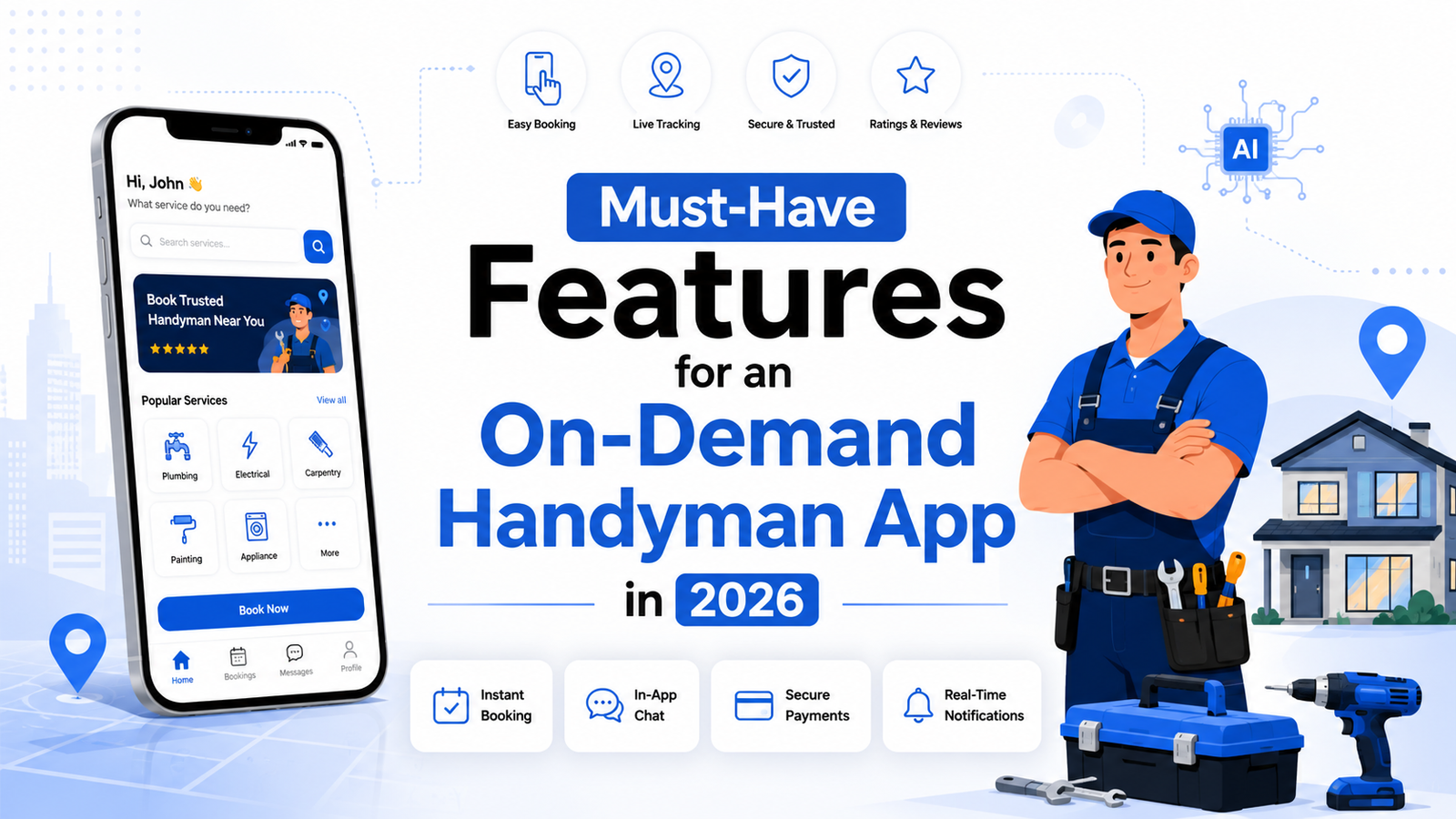
  • Must-Have Features for an On-Demand Handyman App in 2026

    Home service businesses are changing rapidly as more customers prefer booking repairs and maintenance services through mobile apps instead of traditional phone calls or offline methods. Whether it is plumbing, electrical work, appliance repair, or home cleaning, users now expect faster bookings, transparent pricing, secure payments, and real-time service updates. This shift has increased the demand for smarter on-demand handyman app solutions that can simplify both customer experience and business operations.

    At the same time, businesses are adopting digital tools to manage bookings, automate scheduling, improve communication, and handle multiple services from a single platform. Features like AI-powered recommendations, GPS tracking, smart notifications, and seamless payments are becoming standard in every modern on-demand home services app. As the market continues to grow, many startups are also exploring scalable all-in-one handyman app and white-label handyman app solutions to launch services more efficiently and meet evolving customer expectations.

    Explore Our Services:
    https://gojekcloneappscript.com/on-demand-handyman-app-development/

    #ondemandhandymanapp #allinonehandymanapp #ondemandhomeservicesapp #aipoweredhandymanapp #whitelabelhandymanapp #gojekclonehomeserviceapp #handymanapplikegojek #besthandymanapp #gojekclonehandymanapp
    Must-Have Features for an On-Demand Handyman App in 2026 Home service businesses are changing rapidly as more customers prefer booking repairs and maintenance services through mobile apps instead of traditional phone calls or offline methods. Whether it is plumbing, electrical work, appliance repair, or home cleaning, users now expect faster bookings, transparent pricing, secure payments, and real-time service updates. This shift has increased the demand for smarter on-demand handyman app solutions that can simplify both customer experience and business operations. At the same time, businesses are adopting digital tools to manage bookings, automate scheduling, improve communication, and handle multiple services from a single platform. Features like AI-powered recommendations, GPS tracking, smart notifications, and seamless payments are becoming standard in every modern on-demand home services app. As the market continues to grow, many startups are also exploring scalable all-in-one handyman app and white-label handyman app solutions to launch services more efficiently and meet evolving customer expectations. Explore Our Services: https://gojekcloneappscript.com/on-demand-handyman-app-development/ #ondemandhandymanapp #allinonehandymanapp #ondemandhomeservicesapp #aipoweredhandymanapp #whitelabelhandymanapp #gojekclonehomeserviceapp #handymanapplikegojek #besthandymanapp #gojekclonehandymanapp
    0 Commenti 0 condivisioni 1224 Views
  • Market Forecast: Customer Identity and Access Management

    In today’s rapidly evolving digital landscape, organizations are increasingly relying on online platforms to deliver services, engage customers, and drive business growth. However, with this expansion comes a critical challenge—securely managing customer identities while ensuring seamless user experiences. This is where Customer Identity and Access Management (CIAM) solutions play a vital role.

    Click here for more information : https://qksgroup.com/market-research/market-forecast-customer-identity-and-access-management-2026-2030-worldwide-2286

    The Growing Need for CIAM Solutions
    As businesses scale their digital presence, they must handle vast amounts of sensitive customer data. From login credentials to personal and financial information, protecting this data is no longer optional. Rising cyber threats, data breaches, and identity theft incidents have made secure identity management a top priority.

    What is CIAM and Why It Matters?
    Customer Identity and Access Management (CIAM) refers to a set of technologies and practices that enable organizations to securely manage and authenticate customer identities across digital platforms. Unlike traditional identity systems, CIAM focuses on scalability, user experience, and privacy.

    Modern CIAM platforms offer features such as:
    • Secure customer authentication and authorization
    • Single Sign-On (SSO) capabilities
    • Multi-Factor Authentication (MFA)
    These capabilities ensure that only authorized users can access systems while keeping the login process smooth and user-friendly.

    Enhancing Customer Experience with CIAM
    One of the key advantages of CIAM solutions is their ability to improve the overall customer experience. In a competitive market, users expect fast, frictionless, and secure access to services.

    Strengthening Data Security and Privacy
    With the rise in cyberattacks, protecting customer data has become more critical than ever. Customer Identity and Access Management (CIAM) solutions provide advanced security mechanisms such as risk-based authentication, encryption, and anomaly detection to prevent unauthorized access.

    Click here for market share report : https://qksgroup.com/market-research/market-share-customer-identity-and-access-management-2025-worldwide-2482

    Moreover, CIAM systems help organizations enforce data governance policies and give users control over their personal data. This aligns with modern privacy expectations and regulatory requirements, ensuring that businesses remain compliant and trustworthy.

    Ensuring Regulatory Compliance
    Compliance with data protection laws is a major concern for organizations operating globally. Regulations like GDPR and CCPA mandate strict guidelines for data collection, storage, and usage.
    CIAM solutions simplify compliance by:
    • Managing user consent and preferences
    • Providing audit trails and reporting
    • Enabling secure data storage and access controls

    Supporting Digital Transformation Initiatives
    Digital transformation is no longer a choice—it is a necessity. As organizations adopt cloud technologies, mobile applications, and IoT ecosystems, the need for a scalable and secure identity management system becomes even more important.

    Key Benefits of CIAM Solutions
    Investing in advanced CIAM solutions offers several advantages:
    • Enhanced security for customer identities and data
    • Improved user experience with seamless authentication
    • Regulatory compliance with global data protection laws

    Conclusion
    As the digital ecosystem continues to expand, organizations must prioritize secure and efficient customer identity management. The increasing complexity of cyber threats and regulatory requirements makes it essential to adopt advanced Customer Identity and Access Management (CIAM) solutions.
    Market Forecast: Customer Identity and Access Management In today’s rapidly evolving digital landscape, organizations are increasingly relying on online platforms to deliver services, engage customers, and drive business growth. However, with this expansion comes a critical challenge—securely managing customer identities while ensuring seamless user experiences. This is where Customer Identity and Access Management (CIAM) solutions play a vital role. Click here for more information : https://qksgroup.com/market-research/market-forecast-customer-identity-and-access-management-2026-2030-worldwide-2286 The Growing Need for CIAM Solutions As businesses scale their digital presence, they must handle vast amounts of sensitive customer data. From login credentials to personal and financial information, protecting this data is no longer optional. Rising cyber threats, data breaches, and identity theft incidents have made secure identity management a top priority. What is CIAM and Why It Matters? Customer Identity and Access Management (CIAM) refers to a set of technologies and practices that enable organizations to securely manage and authenticate customer identities across digital platforms. Unlike traditional identity systems, CIAM focuses on scalability, user experience, and privacy. Modern CIAM platforms offer features such as: • Secure customer authentication and authorization • Single Sign-On (SSO) capabilities • Multi-Factor Authentication (MFA) These capabilities ensure that only authorized users can access systems while keeping the login process smooth and user-friendly. Enhancing Customer Experience with CIAM One of the key advantages of CIAM solutions is their ability to improve the overall customer experience. In a competitive market, users expect fast, frictionless, and secure access to services. Strengthening Data Security and Privacy With the rise in cyberattacks, protecting customer data has become more critical than ever. Customer Identity and Access Management (CIAM) solutions provide advanced security mechanisms such as risk-based authentication, encryption, and anomaly detection to prevent unauthorized access. Click here for market share report : https://qksgroup.com/market-research/market-share-customer-identity-and-access-management-2025-worldwide-2482 Moreover, CIAM systems help organizations enforce data governance policies and give users control over their personal data. This aligns with modern privacy expectations and regulatory requirements, ensuring that businesses remain compliant and trustworthy. Ensuring Regulatory Compliance Compliance with data protection laws is a major concern for organizations operating globally. Regulations like GDPR and CCPA mandate strict guidelines for data collection, storage, and usage. CIAM solutions simplify compliance by: • Managing user consent and preferences • Providing audit trails and reporting • Enabling secure data storage and access controls Supporting Digital Transformation Initiatives Digital transformation is no longer a choice—it is a necessity. As organizations adopt cloud technologies, mobile applications, and IoT ecosystems, the need for a scalable and secure identity management system becomes even more important. Key Benefits of CIAM Solutions Investing in advanced CIAM solutions offers several advantages: • Enhanced security for customer identities and data • Improved user experience with seamless authentication • Regulatory compliance with global data protection laws Conclusion As the digital ecosystem continues to expand, organizations must prioritize secure and efficient customer identity management. The increasing complexity of cyber threats and regulatory requirements makes it essential to adopt advanced Customer Identity and Access Management (CIAM) solutions.
    QKSGROUP.COM
    Market Forecast: Customer Identity and Access Management, 2026-2030, Worldwide
    QKS Group reveals a Customer Identity and Access Management market projected valuation of $12.5 bill...
    Like
    1
    0 Commenti 0 condivisioni 1511 Views
  • Market Forecast: Speech Analytics

    In today’s data-driven landscape, speech analytics has emerged as a transformative technology that enables organizations to extract actionable insights from customer conversations. By analyzing voice calls and integrating omnichannel data, businesses can better understand customer behaviour, identify pain points, and enhance overall customer experience. As enterprises increasingly prioritize customer-centric strategies, speech analytics software is becoming a critical component of modern contact center operations.

    Click here for more information : https://qksgroup.com/market-research/market-forecast-speech-analytics-2026-2030-worldwide-2238

    What is Speech Analytics?
    Speech analytics refers to the process of capturing, transcribing, and analyzing voice interactions to uncover meaningful patterns and insights. Using advanced technologies such as artificial intelligence (AI), machine learning (ML), and natural language processing (NLP), speech analytics tools convert spoken language into structured data. This enables organizations to evaluate conversations at scale and derive valuable intelligence from customer interactions.

    Key Benefits of Speech Analytics
    1. Enhanced Customer Insights
    Speech analytics empowers businesses to gain a deeper understanding of customer needs, preferences, and expectations. By analyzing tone, sentiment, and keywords, organizations can identify the root causes of customer churn and dissatisfaction. This insight allows companies to proactively address issues and improve customer retention.
    2. Comprehensive Call Evaluation
    With end-to-end call analysis, organizations can evaluate 100% of customer interactions rather than relying on random sampling. This ensures a more accurate assessment of service quality, compliance adherence, and operational performance.
    3. Improved Agent Performance and Training
    Speech analytics tools play a crucial role in agent training and development. By identifying performance gaps and highlighting best practices, organizations can create targeted coaching programs. This leads to improved agent productivity, better customer interactions, and increased satisfaction levels.

    Evolution of Speech Analytics Technology
    The journey of speech analytics began with basic word detection tools and audio mining software, primarily used in security and surveillance applications. Early systems relied on large vocabulary speech recognition (LVSR) to convert audio into text. However, these systems had limited accuracy and were constrained to predefined keywords and phrases.

    Click here for market share report : https://qksgroup.com/market-research/market-share-speech-analytics-2025-worldwide-2434

    Over time, advancements in phonetics-based analytics and AI-driven models have significantly improved the accuracy and flexibility of speech analytics solutions. Modern platforms can now:
    • Recognize context and intent beyond predefined dictionaries
    • Analyze full conversations rather than isolated keywords
    • Detect emotions and sentiment in real time

    Key Features of Modern Speech Analytics Software
    • Real-time speech recognition and transcription
    • Sentiment analysis and emotion detection
    • Keyword and phrase spotting
    • Integration with CRM and contact center platforms

    Use Cases Across Industries
    Speech analytics is widely adopted across industries to drive operational efficiency and customer satisfaction:
    • Banking & Financial Services: Fraud detection, compliance monitoring, and customer sentiment analysis
    • Healthcare: Patient feedback analysis and service improvement
    • Retail & E-commerce: Customer experience optimization and churn prediction

    The Future of Speech Analytics
    As AI and ML technologies continue to evolve, the future of speech analytics lies in real-time decision-making, predictive insights, and hyper-personalization. Organizations will increasingly rely on speech analytics to anticipate customer needs, automate responses, and deliver seamless experiences across all touchpoints.

    Moreover, the integration of generative AI and advanced conversational intelligence will further enhance the capabilities of speech analytics platforms, enabling businesses to move from reactive analysis to proactive engagement strategies.

    Conclusion
    Speech analytics is no longer a niche technology—it is a strategic asset for organizations aiming to improve customer engagement, optimize operations, and drive business growth. By leveraging advanced analytics and AI-driven insights, businesses can unlock the full potential of their customer interactions and stay ahead in an increasingly competitive market.
    Market Forecast: Speech Analytics In today’s data-driven landscape, speech analytics has emerged as a transformative technology that enables organizations to extract actionable insights from customer conversations. By analyzing voice calls and integrating omnichannel data, businesses can better understand customer behaviour, identify pain points, and enhance overall customer experience. As enterprises increasingly prioritize customer-centric strategies, speech analytics software is becoming a critical component of modern contact center operations. Click here for more information : https://qksgroup.com/market-research/market-forecast-speech-analytics-2026-2030-worldwide-2238 What is Speech Analytics? Speech analytics refers to the process of capturing, transcribing, and analyzing voice interactions to uncover meaningful patterns and insights. Using advanced technologies such as artificial intelligence (AI), machine learning (ML), and natural language processing (NLP), speech analytics tools convert spoken language into structured data. This enables organizations to evaluate conversations at scale and derive valuable intelligence from customer interactions. Key Benefits of Speech Analytics 1. Enhanced Customer Insights Speech analytics empowers businesses to gain a deeper understanding of customer needs, preferences, and expectations. By analyzing tone, sentiment, and keywords, organizations can identify the root causes of customer churn and dissatisfaction. This insight allows companies to proactively address issues and improve customer retention. 2. Comprehensive Call Evaluation With end-to-end call analysis, organizations can evaluate 100% of customer interactions rather than relying on random sampling. This ensures a more accurate assessment of service quality, compliance adherence, and operational performance. 3. Improved Agent Performance and Training Speech analytics tools play a crucial role in agent training and development. By identifying performance gaps and highlighting best practices, organizations can create targeted coaching programs. This leads to improved agent productivity, better customer interactions, and increased satisfaction levels. Evolution of Speech Analytics Technology The journey of speech analytics began with basic word detection tools and audio mining software, primarily used in security and surveillance applications. Early systems relied on large vocabulary speech recognition (LVSR) to convert audio into text. However, these systems had limited accuracy and were constrained to predefined keywords and phrases. Click here for market share report : https://qksgroup.com/market-research/market-share-speech-analytics-2025-worldwide-2434 Over time, advancements in phonetics-based analytics and AI-driven models have significantly improved the accuracy and flexibility of speech analytics solutions. Modern platforms can now: • Recognize context and intent beyond predefined dictionaries • Analyze full conversations rather than isolated keywords • Detect emotions and sentiment in real time Key Features of Modern Speech Analytics Software • Real-time speech recognition and transcription • Sentiment analysis and emotion detection • Keyword and phrase spotting • Integration with CRM and contact center platforms Use Cases Across Industries Speech analytics is widely adopted across industries to drive operational efficiency and customer satisfaction: • Banking & Financial Services: Fraud detection, compliance monitoring, and customer sentiment analysis • Healthcare: Patient feedback analysis and service improvement • Retail & E-commerce: Customer experience optimization and churn prediction The Future of Speech Analytics As AI and ML technologies continue to evolve, the future of speech analytics lies in real-time decision-making, predictive insights, and hyper-personalization. Organizations will increasingly rely on speech analytics to anticipate customer needs, automate responses, and deliver seamless experiences across all touchpoints. Moreover, the integration of generative AI and advanced conversational intelligence will further enhance the capabilities of speech analytics platforms, enabling businesses to move from reactive analysis to proactive engagement strategies. Conclusion Speech analytics is no longer a niche technology—it is a strategic asset for organizations aiming to improve customer engagement, optimize operations, and drive business growth. By leveraging advanced analytics and AI-driven insights, businesses can unlock the full potential of their customer interactions and stay ahead in an increasingly competitive market.
    QKSGROUP.COM
    Market Forecast: Speech Analytics, 2026-2030, Worldwide
    QKS Group reveals a Speech Analytics market projected valuation of $2.86 billion by 2030, growing at...
    Like
    1
    0 Commenti 0 condivisioni 1713 Views
  • Market Forecast: Data Governance

    In today’s data-driven economy, organizations are increasingly recognizing data as their most valuable asset. As digital transformation accelerates across industries, the need for robust data governance has become more critical than ever. Data governance is a principled approach to managing data from its acquisition to its eventual disposal, ensuring consistency, security, compliance, and usability throughout its lifecycle.

    Click here for more information : https://qksgroup.com/market-research/market-forecast-data-governance-2026-2030-worldwide-2226

    What is Data Governance?
    Data governance refers to the framework, policies, standards, and practices that ensure high-quality, secure, and compliant data management. It encompasses everything from data collection and storage to usage, sharing, and deletion. By implementing a structured governance model, organizations can maintain data integrity while maximizing its business value.

    Importance of Data Governance in Modern Enterprises
    As organizations expand their digital footprint, they generate massive volumes of structured and unstructured data. Without proper governance, this data can become fragmented, insecure, and unreliable. Effective data governance helps businesses:
    • Ensure regulatory compliance with global and local data protection laws
    • Maintain data accuracy and consistency across systems
    • Improve decision-making through reliable data insights

    Data Lifecycle Management and Governance
    A strong data governance strategy spans the entire data lifecycle:
    1. Data Acquisition: Ensuring data is collected from reliable and authorized sources
    2. Data Storage: Securing data using encryption and access controls
    3. Data Usage: Enabling appropriate access while maintaining compliance

    Enabling Data Democratization Safely
    One of the key benefits of data governance is enabling data democratization. This means making data accessible to the right people at the right time without compromising security or integrity. With proper governance frameworks in place:
    • Employees can confidently access relevant data
    • Teams can collaborate more effectively
    • Decision-making becomes faster and more data-driven
    Importantly, democratization does not weaken security. Instead, it strengthens organizational efficiency by ensuring controlled and role-based access to data.

    Click here for market share : https://qksgroup.com/market-research/market-share-data-governance-2025-worldwide-2422

    Building Trust Through Data Security and Compliance
    Trust is a cornerstone of any successful business relationship. Customers and partners expect their sensitive information to be handled responsibly. Data governance ensures:
    • Strong data protection mechanisms
    • Compliance with privacy regulations
    • Transparent data handling practices

    Business Benefits of Effective Data Governance
    Implementing a comprehensive data governance strategy delivers multiple business advantages:
    • Improved Customer Experience: Better insights enable personalized services
    • Enhanced Product Development: Data-driven innovation leads to superior offerings
    • New Revenue Opportunities: Leveraging data uncovers untapped market potential

    Best Practices for Implementing Data Governance
    To maximize the impact of data governance, organizations should:
    • Define clear data ownership and stewardship roles
    • Establish standardized data policies and procedures
    • Implement data quality management tools
    A proactive and scalable approach ensures that governance evolves alongside business needs.

    Conclusion
    Data governance is no longer just a regulatory requirement—it is a strategic foundation for modern organizations aiming to thrive in a data-driven world. By implementing a robust data governance framework, businesses can ensure data accuracy, security, and compliance while unlocking its full potential for innovation and growth. From enabling secure data democratization to strengthening customer trust, effective governance empowers organizations to make smarter decisions and stay competitive.
    Market Forecast: Data Governance In today’s data-driven economy, organizations are increasingly recognizing data as their most valuable asset. As digital transformation accelerates across industries, the need for robust data governance has become more critical than ever. Data governance is a principled approach to managing data from its acquisition to its eventual disposal, ensuring consistency, security, compliance, and usability throughout its lifecycle. Click here for more information : https://qksgroup.com/market-research/market-forecast-data-governance-2026-2030-worldwide-2226 What is Data Governance? Data governance refers to the framework, policies, standards, and practices that ensure high-quality, secure, and compliant data management. It encompasses everything from data collection and storage to usage, sharing, and deletion. By implementing a structured governance model, organizations can maintain data integrity while maximizing its business value. Importance of Data Governance in Modern Enterprises As organizations expand their digital footprint, they generate massive volumes of structured and unstructured data. Without proper governance, this data can become fragmented, insecure, and unreliable. Effective data governance helps businesses: • Ensure regulatory compliance with global and local data protection laws • Maintain data accuracy and consistency across systems • Improve decision-making through reliable data insights Data Lifecycle Management and Governance A strong data governance strategy spans the entire data lifecycle: 1. Data Acquisition: Ensuring data is collected from reliable and authorized sources 2. Data Storage: Securing data using encryption and access controls 3. Data Usage: Enabling appropriate access while maintaining compliance Enabling Data Democratization Safely One of the key benefits of data governance is enabling data democratization. This means making data accessible to the right people at the right time without compromising security or integrity. With proper governance frameworks in place: • Employees can confidently access relevant data • Teams can collaborate more effectively • Decision-making becomes faster and more data-driven Importantly, democratization does not weaken security. Instead, it strengthens organizational efficiency by ensuring controlled and role-based access to data. Click here for market share : https://qksgroup.com/market-research/market-share-data-governance-2025-worldwide-2422 Building Trust Through Data Security and Compliance Trust is a cornerstone of any successful business relationship. Customers and partners expect their sensitive information to be handled responsibly. Data governance ensures: • Strong data protection mechanisms • Compliance with privacy regulations • Transparent data handling practices Business Benefits of Effective Data Governance Implementing a comprehensive data governance strategy delivers multiple business advantages: • Improved Customer Experience: Better insights enable personalized services • Enhanced Product Development: Data-driven innovation leads to superior offerings • New Revenue Opportunities: Leveraging data uncovers untapped market potential Best Practices for Implementing Data Governance To maximize the impact of data governance, organizations should: • Define clear data ownership and stewardship roles • Establish standardized data policies and procedures • Implement data quality management tools A proactive and scalable approach ensures that governance evolves alongside business needs. Conclusion Data governance is no longer just a regulatory requirement—it is a strategic foundation for modern organizations aiming to thrive in a data-driven world. By implementing a robust data governance framework, businesses can ensure data accuracy, security, and compliance while unlocking its full potential for innovation and growth. From enabling secure data democratization to strengthening customer trust, effective governance empowers organizations to make smarter decisions and stay competitive.
    QKSGROUP.COM
    Market Forecast: Data Governance, 2026-2030, Worldwide
    QKS Group reveals a Data Governance projected the market is expected to grow at a compound annual gr...
    Like
    1
    0 Commenti 0 condivisioni 1060 Views
  • Market Forecast: Conversational AI for Intelligent Contact Center

    The global Conversational AI in Intelligent Contact Center market is entering a phase of rapid expansion, driven by the growing need for enhanced customer experience, automation, and operational efficiency.

    Click here for more information : https://qksgroup.com/market-research/market-forecast-conversational-ai-for-intelligent-contact-center-2026-2030-worldwide-6109

    Market Overview
    Conversational AI combines natural language processing (NLP), machine learning (ML), and advanced analytics to enable seamless human-like interactions between customers and systems. In intelligent contact centers, these technologies power AI chatbots, virtual assistants, and speech analytics tools, allowing businesses to handle large volumes of customer interactions efficiently while maintaining personalization.

    Key Market Drivers
    1. Rising Demand for Personalized Customer Experiences
    Modern customers expect highly personalized and context-aware interactions. Conversational AI leverages customer data, behavior insights, and interaction history to deliver tailored responses and recommendations, significantly improving customer satisfaction and loyalty.
    2. Automation of Routine Inquiries
    Businesses are increasingly automating repetitive tasks such as FAQs, order tracking, and account inquiries. AI-powered chatbots and voice assistants reduce the workload on human agents, enabling them to focus on complex and high-value interactions.
    3. Advancements in NLP and Machine Learning
    Continuous improvements in natural language understanding (NLU) and deep learning algorithms have enhanced the accuracy and responsiveness of AI systems. This enables more natural, conversational interactions, making AI solutions more effective and reliable.

    Key Technologies in Conversational AI for Intelligent Contact Center
    • AI Chatbots – Automate customer interactions across websites, apps, and messaging platforms
    • Virtual Assistants – Provide voice-based support for inbound and outbound calls
    • Speech Analytics – Analyze voice interactions to extract insights, sentiment, and compliance metrics

    Click here for market share : https://qksgroup.com/market-research/market-share-conversational-ai-for-intelligent-contact-center-2024-worldwide-6119

    Regional Market Insights
    North America
    North America leads the market due to its advanced technological infrastructure, early adoption of AI, and strong presence of leading technology providers. Enterprises in the region are heavily investing in AI-driven customer engagement solutions.

    Europe
    Europe follows closely, with growing adoption driven by regulatory compliance requirements, customer-centric business models, and digital innovation initiatives.

    Asia-Pacific
    The Asia-Pacific region is expected to witness the fastest growth, fueled by rapid digitalization, expanding customer bases, and increased investments in AI technologies across industries such as banking, telecom, and e-commerce.

    Latin America
    Latin America is emerging as a promising market, with organizations focusing on customer service optimization and cost-effective automation solutions.

    Market Challenges
    Despite strong growth prospects, the market faces several challenges:
    • Data privacy and security concerns
    • Integration complexities with legacy systems
    • Limited AI training data in regional languages

    Future Outlook
    The future of Conversational AI in intelligent contact centers is highly promising. Innovations such as emotion AI, predictive analytics, and generative AI models will further enhance interaction quality and automation capabilities. Businesses will increasingly adopt hybrid models combining human agents and AI systems to deliver superior customer experiences.
    Market Forecast: Conversational AI for Intelligent Contact Center The global Conversational AI in Intelligent Contact Center market is entering a phase of rapid expansion, driven by the growing need for enhanced customer experience, automation, and operational efficiency. Click here for more information : https://qksgroup.com/market-research/market-forecast-conversational-ai-for-intelligent-contact-center-2026-2030-worldwide-6109 Market Overview Conversational AI combines natural language processing (NLP), machine learning (ML), and advanced analytics to enable seamless human-like interactions between customers and systems. In intelligent contact centers, these technologies power AI chatbots, virtual assistants, and speech analytics tools, allowing businesses to handle large volumes of customer interactions efficiently while maintaining personalization. Key Market Drivers 1. Rising Demand for Personalized Customer Experiences Modern customers expect highly personalized and context-aware interactions. Conversational AI leverages customer data, behavior insights, and interaction history to deliver tailored responses and recommendations, significantly improving customer satisfaction and loyalty. 2. Automation of Routine Inquiries Businesses are increasingly automating repetitive tasks such as FAQs, order tracking, and account inquiries. AI-powered chatbots and voice assistants reduce the workload on human agents, enabling them to focus on complex and high-value interactions. 3. Advancements in NLP and Machine Learning Continuous improvements in natural language understanding (NLU) and deep learning algorithms have enhanced the accuracy and responsiveness of AI systems. This enables more natural, conversational interactions, making AI solutions more effective and reliable. Key Technologies in Conversational AI for Intelligent Contact Center • AI Chatbots – Automate customer interactions across websites, apps, and messaging platforms • Virtual Assistants – Provide voice-based support for inbound and outbound calls • Speech Analytics – Analyze voice interactions to extract insights, sentiment, and compliance metrics Click here for market share : https://qksgroup.com/market-research/market-share-conversational-ai-for-intelligent-contact-center-2024-worldwide-6119 Regional Market Insights North America North America leads the market due to its advanced technological infrastructure, early adoption of AI, and strong presence of leading technology providers. Enterprises in the region are heavily investing in AI-driven customer engagement solutions. Europe Europe follows closely, with growing adoption driven by regulatory compliance requirements, customer-centric business models, and digital innovation initiatives. Asia-Pacific The Asia-Pacific region is expected to witness the fastest growth, fueled by rapid digitalization, expanding customer bases, and increased investments in AI technologies across industries such as banking, telecom, and e-commerce. Latin America Latin America is emerging as a promising market, with organizations focusing on customer service optimization and cost-effective automation solutions. Market Challenges Despite strong growth prospects, the market faces several challenges: • Data privacy and security concerns • Integration complexities with legacy systems • Limited AI training data in regional languages Future Outlook The future of Conversational AI in intelligent contact centers is highly promising. Innovations such as emotion AI, predictive analytics, and generative AI models will further enhance interaction quality and automation capabilities. Businesses will increasingly adopt hybrid models combining human agents and AI systems to deliver superior customer experiences.
    QKSGROUP.COM
    Market Forecast: Conversational AI for Intelligent Contact Center, 2026-2030, Worldwide
    QKS Group reveal a Conversational AI for Intelligent Contact Center market projected valuation of $1...
    Like
    1
    0 Commenti 0 condivisioni 1497 Views
  • SPARK Matrix™: Customer Identity and Access Management (CIAM)

    In today’s digital-first economy, businesses are rapidly transforming how they engage with customers across platforms. Customer Identity and Access Management (CIAM) has emerged as a critical technology that enables organizations to deliver secure, seamless, and personalized user experiences. According to QKS Group, the global CIAM market is witnessing significant growth driven by evolving cybersecurity threats, regulatory compliance requirements, and rising customer expectations.

    Click here for more information : https://qksgroup.com/market-research/spark-matrix-customer-identity-and-access-management-ciam-q2-2025-8634

    What is Customer Identity and Access Management (CIAM)?
    Customer Identity and Access Management (CIAM) refers to a framework of technologies and processes that help organizations manage customer identities, authentication, and authorization. CIAM solutions enable secure customer interactions by offering features such as single sign-on (SSO), multi-factor authentication (MFA), adaptive authentication, and social login integration.

    Key Market Trends Driving CIAM Growth
    1. Rising Demand for Seamless Digital Experiences
    Modern consumers expect smooth and consistent access across websites, mobile apps, and digital services. CIAM solutions support federated identity management and single-identity access, enabling users to interact effortlessly across multiple platforms.
    2. Increasing Cybersecurity Threats
    With the surge in data breaches, identity theft, and cyberattacks, organizations are prioritizing advanced identity security solutions. CIAM platforms offer adaptive access controls and risk-based authentication, strengthening defenses against unauthorized access.
    3. Stringent Data Privacy Regulations
    Compliance with regulations such as GDPR and other global privacy frameworks has become essential. CIAM solutions help organizations align with data privacy laws by implementing secure identity governance and consent management practices.

    Competitive Landscape and SPARK Matrix™ Analysis
    QKS Group provides a comprehensive evaluation of the Customer Identity and Access Management (CIAM) market through its proprietary SPARK Matrix™ analysis. This framework offers a detailed comparison of leading CIAM vendors based on:
    • Technology excellence
    • Customer impact
    • Innovation capabilities

    Download Sample Report : https://qksgroup.com/download-sample-form/spark-matrix-customer-identity-and-access-management-ciam-q2-2025-8634

    Benefits of Implementing CIAM Solutions
    Organizations adopting CIAM solutions gain multiple strategic advantages:
    • Enhanced Customer Experience: Seamless login and personalized user journeys
    • Improved Security: Advanced authentication and fraud prevention mechanisms
    • Regulatory Compliance: Alignment with global data protection standards
    • Scalability: Support for millions of customer identities across platforms

    Future Outlook of the CIAM Market
    The future of the CIAM market is shaped by innovations in artificial intelligence (AI), machine learning (ML), and biometrics. These technologies are enhancing identity verification processes and enabling passwordless authentication, which is expected to become a mainstream trend.

    Conclusion
    Customer Identity and Access Management is no longer just a security tool—it is a strategic enabler of digital transformation. As organizations strive to balance security, privacy, and user experience, CIAM solutions will play a pivotal role in shaping the future of customer engagement.

    QKS Group’s in-depth research and SPARK Matrix™ analysis provide valuable insights into market trends, vendor capabilities, and competitive positioning, helping businesses make informed decisions and stay ahead in a rapidly evolving digital landscape.
    SPARK Matrix™: Customer Identity and Access Management (CIAM) In today’s digital-first economy, businesses are rapidly transforming how they engage with customers across platforms. Customer Identity and Access Management (CIAM) has emerged as a critical technology that enables organizations to deliver secure, seamless, and personalized user experiences. According to QKS Group, the global CIAM market is witnessing significant growth driven by evolving cybersecurity threats, regulatory compliance requirements, and rising customer expectations. Click here for more information : https://qksgroup.com/market-research/spark-matrix-customer-identity-and-access-management-ciam-q2-2025-8634 What is Customer Identity and Access Management (CIAM)? Customer Identity and Access Management (CIAM) refers to a framework of technologies and processes that help organizations manage customer identities, authentication, and authorization. CIAM solutions enable secure customer interactions by offering features such as single sign-on (SSO), multi-factor authentication (MFA), adaptive authentication, and social login integration. Key Market Trends Driving CIAM Growth 1. Rising Demand for Seamless Digital Experiences Modern consumers expect smooth and consistent access across websites, mobile apps, and digital services. CIAM solutions support federated identity management and single-identity access, enabling users to interact effortlessly across multiple platforms. 2. Increasing Cybersecurity Threats With the surge in data breaches, identity theft, and cyberattacks, organizations are prioritizing advanced identity security solutions. CIAM platforms offer adaptive access controls and risk-based authentication, strengthening defenses against unauthorized access. 3. Stringent Data Privacy Regulations Compliance with regulations such as GDPR and other global privacy frameworks has become essential. CIAM solutions help organizations align with data privacy laws by implementing secure identity governance and consent management practices. Competitive Landscape and SPARK Matrix™ Analysis QKS Group provides a comprehensive evaluation of the Customer Identity and Access Management (CIAM) market through its proprietary SPARK Matrix™ analysis. This framework offers a detailed comparison of leading CIAM vendors based on: • Technology excellence • Customer impact • Innovation capabilities Download Sample Report : https://qksgroup.com/download-sample-form/spark-matrix-customer-identity-and-access-management-ciam-q2-2025-8634 Benefits of Implementing CIAM Solutions Organizations adopting CIAM solutions gain multiple strategic advantages: • Enhanced Customer Experience: Seamless login and personalized user journeys • Improved Security: Advanced authentication and fraud prevention mechanisms • Regulatory Compliance: Alignment with global data protection standards • Scalability: Support for millions of customer identities across platforms Future Outlook of the CIAM Market The future of the CIAM market is shaped by innovations in artificial intelligence (AI), machine learning (ML), and biometrics. These technologies are enhancing identity verification processes and enabling passwordless authentication, which is expected to become a mainstream trend. Conclusion Customer Identity and Access Management is no longer just a security tool—it is a strategic enabler of digital transformation. As organizations strive to balance security, privacy, and user experience, CIAM solutions will play a pivotal role in shaping the future of customer engagement. QKS Group’s in-depth research and SPARK Matrix™ analysis provide valuable insights into market trends, vendor capabilities, and competitive positioning, helping businesses make informed decisions and stay ahead in a rapidly evolving digital landscape.
    QKSGROUP.COM
    SPARK Matrix?: Customer Identity and Access Management (CIAM), Q2 2025
    Quadrant Knowledge Solutions’ Customer Identity and Access Management market research includes a det...
    Like
    1
    0 Commenti 0 condivisioni 1841 Views
Pagine in Evidenza