


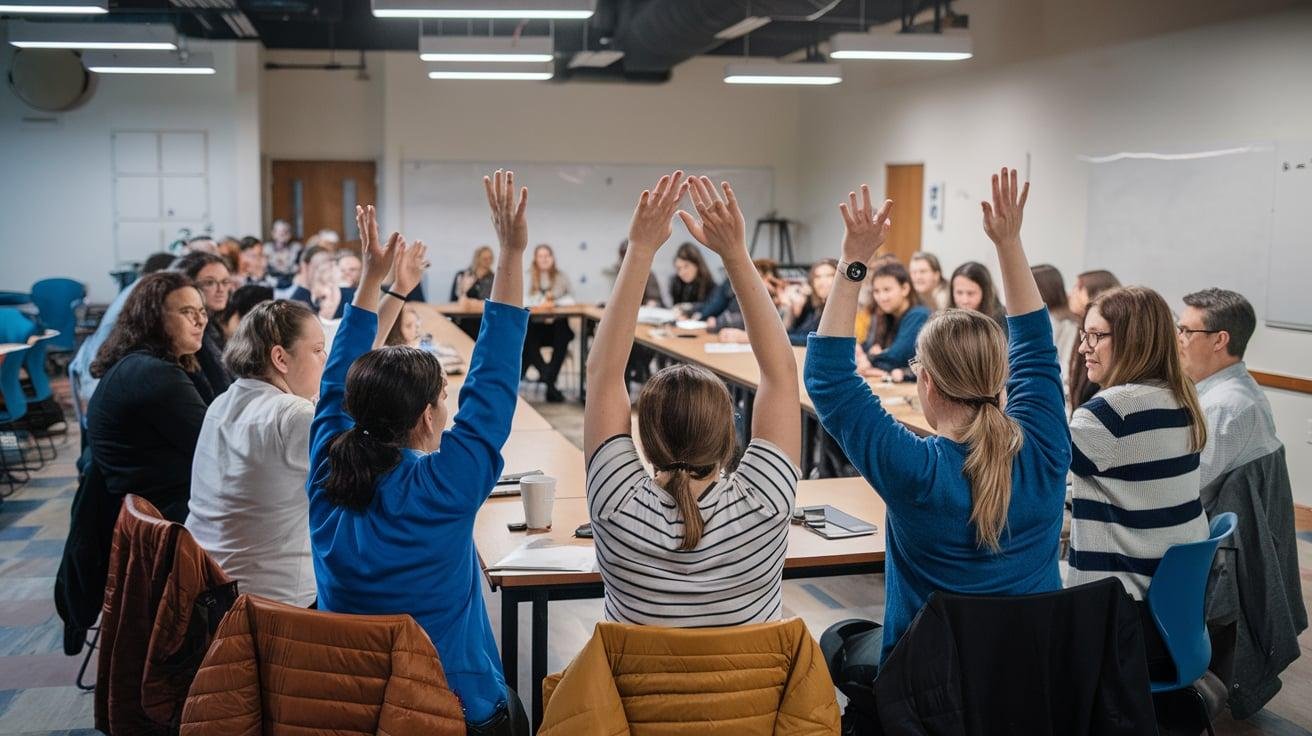
Life in a foster family is a journey built on care, patience, and understanding. For children who are unable to live safely with their biological families, foster families provide a secure and nurturing home where they can heal, grow, and feel valued. At the same time, foster carers take on a meaningful role that comes with both rewards and challenges. Understanding what life in a foster family looks like can help children, carers, and the wider community appreciate the importance of foster care.
A Safe and Supportive Home Environment
One of the most important roles of a foster family is to provide a safe, stable, and supportive home. Many children entering foster care have experienced trauma, neglect, or instability. A consistent daily routine, clear boundaries, and a caring atmosphere help children feel secure and begin rebuilding trust.
Foster families focus on creating a home where children feel welcomed and respected. Simple aspects of daily life—such as shared meals, bedtime routines, and family activities—play a significant role in helping children develop a sense of belonging. Over time, this stability supports emotional healing and builds confidence.
Emotional Adjustment for Children
Children in foster care often face emotional challenges as they adjust to a new environment. Feelings of fear, confusion, sadness, or anger are common, especially during the early stages of placement. Foster families are encouraged to be patient, empathetic, and attentive to a child’s emotional needs.
By listening, offering reassurance, and maintaining a calm and predictable environment, foster carers help children express their emotions in healthy ways. Access to professional support services, such as counselling or therapy, may also be part of the child’s care plan to support emotional wellbeing.
Daily Life and Routines
Life in a foster family is designed to be as normal and consistent as possible. Children attend school, participate in extracurricular activities, and engage in everyday family routines just like other children. This sense of normalcy is essential for their development and self-esteem.
Foster carers support children with schoolwork, encourage hobbies and interests, and celebrate milestones and achievements. These experiences help children build positive memories and develop important life skills.
The Role and Responsibilities of Foster Carers
Foster carers take on a significant responsibility that goes beyond providing accommodation. They play a vital role in supporting a child’s physical, emotional, and educational needs. This includes attending appointments, working closely with caseworkers, maintaining records, and advocating for the child’s best interests.
Carers also help children maintain connections with their biological families when appropriate, supporting supervised visits and encouraging healthy relationships. Collaboration with support agencies ensures that carers are never alone in their role and have access to guidance when challenges arise.
Training and Ongoing Support for Carers
Foster families are not expected to manage everything on their own. Most foster care organisations provide comprehensive training before placement and ongoing support throughout the foster care journey. This may include behaviour management strategies, trauma-informed care training, and access to 24/7 support services.
Regular check-ins with caseworkers help carers discuss progress, address concerns, and ensure that both the child and the family are receiving the support they need. This strong support network helps carers feel confident and prepared.
Building Trust and Strong Relationships
Trust is a key element of life in a foster family, but it takes time to develop. Children who have experienced trauma may struggle to trust adults initially. Foster carers work patiently to build relationships through consistency, honesty, and understanding.
Small actions—such as keeping promises, respecting personal space, and offering encouragement—can have a lasting impact. Over time, these efforts help children feel secure and supported, laying the foundation for strong emotional bonds.
Challenges Foster Families May Face
While fostering is deeply rewarding, it can also be challenging. Carers may face behavioural difficulties, emotional outbursts, or uncertainty around placement duration. Managing these challenges requires resilience, patience, and access to professional support.
Understanding that progress may be slow and that setbacks are part of the journey helps carers maintain realistic expectations. Support from foster care agencies, peer networks, and training programs plays a crucial role in navigating these challenges successfully.
Positive Outcomes and Lasting Impact
Life in a foster family can create life-changing outcomes for children. With the right support, children gain stability, develop self-confidence, and learn healthy relationships. For carers, fostering offers the opportunity to make a meaningful difference in a child’s life and contribute positively to the community.
Many foster families describe the experience as challenging yet deeply fulfilling. The connections formed, lessons learned, and positive changes witnessed make fostering a powerful and impactful role.
A Journey of Care and Compassion
Life in a foster family is a journey shaped by compassion, commitment, and hope. While every experience is unique, the shared goal remains the same: to provide children with a safe and nurturing environment where they can thrive. Through patience, understanding, and support, foster families help children build brighter and more secure futures.

 English
 Arabic
 French
 Spanish
 Deutsch
 Turkish
 Dutch
Dutch
 Italiano
 Russian
 Romaian
 Portuguese (Brazil)
 Greek
Greek