
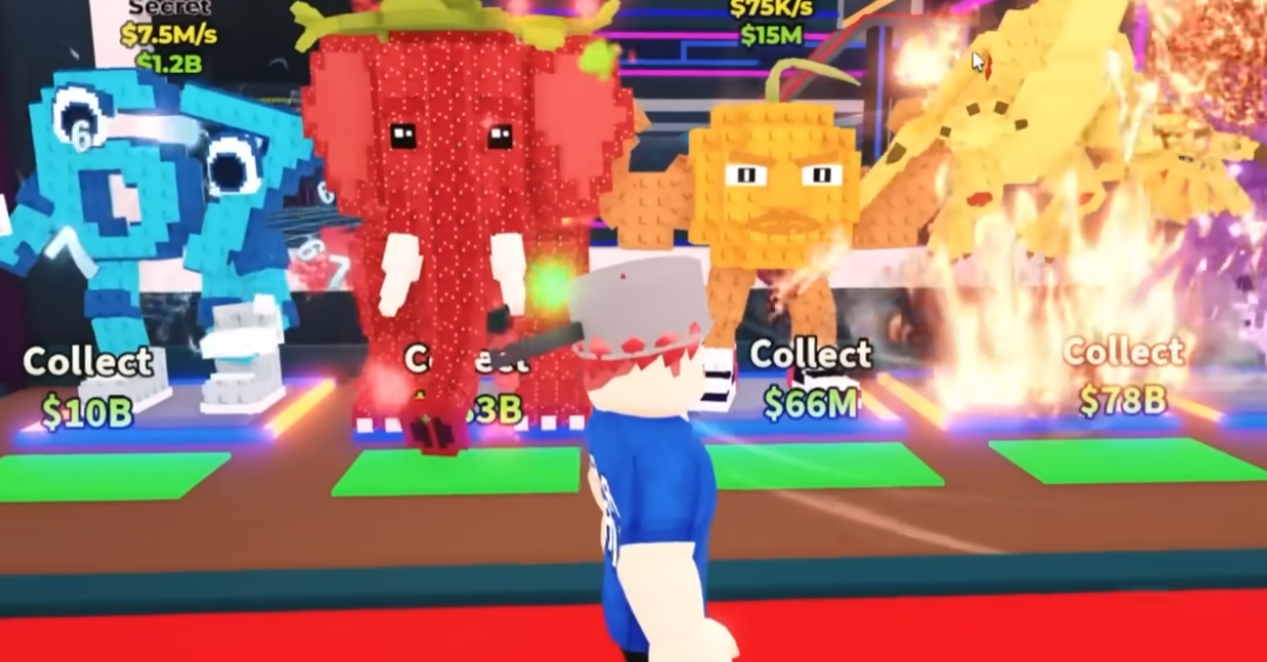
If you’ve just started playing Steal A Brainrot, chances are you’ve already noticed how fast the in-game economy moves. Items jump in value overnight, players trade almost nonstop, and everyone seems to have their own secret method for making profit. When I first joined, I felt completely lost, especially when trying to figure out what was actually worth picking up or trading. After a lot of trial and error, plus way too many hours hanging out in trading hubs, I finally put together a simple guide aimed at newer players who want to trade smarter without drowning in confusing numbers.
Below is a breakdown of how trading works, what to watch out for, and how you can make steady progress even if you’re not playing all day. Nothing here is meant to be a perfect formula, but these tips should give you a strong foundation and help you avoid the mistakes most beginners (including me) make.
Understanding the Market Flow
One of the first things to learn is how quickly prices shift. Items in Steal A Brainrot don’t stay stable for long because updates, events, and even random community trends can bump certain items way up or way down. Keeping an eye on player chats and update notes helps a lot. The more you understand what’s happening in the game world, the easier it becomes to predict demand.
I remember the first time I saw a wave of players rushing to buy sab brainrots during a weekend mini-event. I didn’t even realize why they were doing it until someone explained the drop rates had been temporarily boosted. Situations like that are where quick thinking makes a huge difference. Buying early and selling after the demand spikes can multiply your profit faster than any slow, grindy farm.
Learning Item Value Without Memorizing Everything
You don’t have to memorize every price range in the game. What matters most is learning how to feel out the value by comparing what people are offering in real time. Hanging around trading servers or trading zones for even ten minutes can give you a solid picture of the day’s trends.
Experienced players often talk about patterns they’ve observed, but as a new player, one of the easiest starting points is paying attention to items that consistently show up in multiple trades. Items traded often usually have a stable demand, which makes them safer investments. On the flip side, extremely rare items can be tempting, but their prices can be unpredictable, so it’s best not to sink all your resources into them until you understand the market better.
Reliable Ways to Build Your First Trading Stock
Before you jump into big trades, start with simple flips. Look for items that players undervalue because they want fast currency. Beginners often sell items too cheaply because they don’t know the current price, which gives you an easy chance to buy low and sell at the normal rate. Slow and steady flips like this give you a stable start.
Another option is participating in events. Event items usually do well after the event ends, especially if they don’t return for a while. The key is patience. Some players panic-sell right when an event starts, assuming the item will flood the market. But once the event ends, supply drops again, and that’s where the profit is.
During my own progression, I sometimes picked up extra items through bundles or promo rewards from places like U4GM. Even though I mainly used them for convenience, some of the bonus items ended up being surprisingly tradable. Just make sure you check the market before deciding whether to keep or sell them.
How to Trade Safely Without Getting Scammed
Unfortunately, trading always comes with risk, especially when you’re new. Most scams follow the same pattern: someone offers a deal that seems too good to be true, pressures you to trade fast, or claims they’ll pay after receiving the item. Never hand over anything first if the trade system doesn’t support it directly.
Use official trade windows whenever possible, and avoid players who insist on doing anything outside of secure features. Another red flag is players who try to confuse you by mixing similar-looking items or using fancy titles to make something seem rarer than it is.
If you’re ever unsure, you can ask around in active trading chats. Most experienced players are happy to confirm whether a deal is legit or not. A quick question can save you hours of regret.
When Expanding Your Inventory Makes Sense
Once you’re comfortable with basic trades and patterns, you can start exploring more specific or higher-value items. Players who specialize in certain item categories tend to make more profit because they know exactly when something is undervalued or overpriced.
For example, I eventually got into flipping mid-tier cosmetic items. They were always in demand, didn’t require huge investment, and weren’t as risky as rare drops. That’s also when I started noticing opportunities to buy brainrots at low prices during off-hours, then resell them later when the player base was more active. Little timing tricks like that stack up over time.
Before you specialize, experiment with different categories and see which ones fit your playstyle. Some players enjoy fast flips, while others prefer long holds.
Final Tips for Staying Ahead
Check the market during different times of day. Player activity changes a lot, and so do prices.
Don’t panic if you make a bad trade. Everyone does. The important thing is figuring out why the loss happened.
Avoid hoarding too many slow-moving items. Inventory space is valuable, and sitting on low-demand items can block better opportunities.
Keep your expectations realistic. You don’t need massive trades to grow your wealth. A bunch of small, consistent profits can easily outperform one risky high-value attempt.
And most importantly, stay relaxed. Trading is supposed to be fun. The more you experiment, the better you’ll get.
FAQ
Q: What is the best way to get early items for trading? A: Start by farming common drops, flipping underpriced items from other beginners, and participating in events. These give you a stable starting stock without heavy investment.
Q: Are brainrot items rare? A: Their rarity depends on the specific type and whether an event is active. Some versions are common, while others spike in value based on drop rates and trends.
Q: Are these items always tradable? A: Most of them are, but certain event pieces or reward items may be non-tradable. Always check item descriptions before buying.
Q: How can I avoid overpaying? A: Compare offers from multiple players first. Prices can change fast, so getting a quick read on the current range helps a lot.
Q: Do prices change during events? A: Yes. Events often raise supply or demand, causing temporary price swings. Buying or selling at the right moment can be very profitable.
Q: Should new players attempt high-value trades? A: Not at first. It’s better to learn the basics with smaller items before risking large amounts.
Q: Are third-party purchases safe? A: Only use sources you trust. While some players use services like U4GM for convenience, always be cautious and follow game rules to avoid account issues.
Q: What’s the biggest beginner mistake? A: Rushing trades without checking market value. Taking thirty seconds to compare prices can save you from losing major profit.
Learn This First: Perochello Lemonchello – Steal a Brainrot Character Guide

 English
 French
 Spanish
 Portuguese
 Deutsch
 Turkish
 Dutch
Dutch
 Italiano
 Russian
 Romaian
 Portuguese (Brazil)
 Greek
Greek