


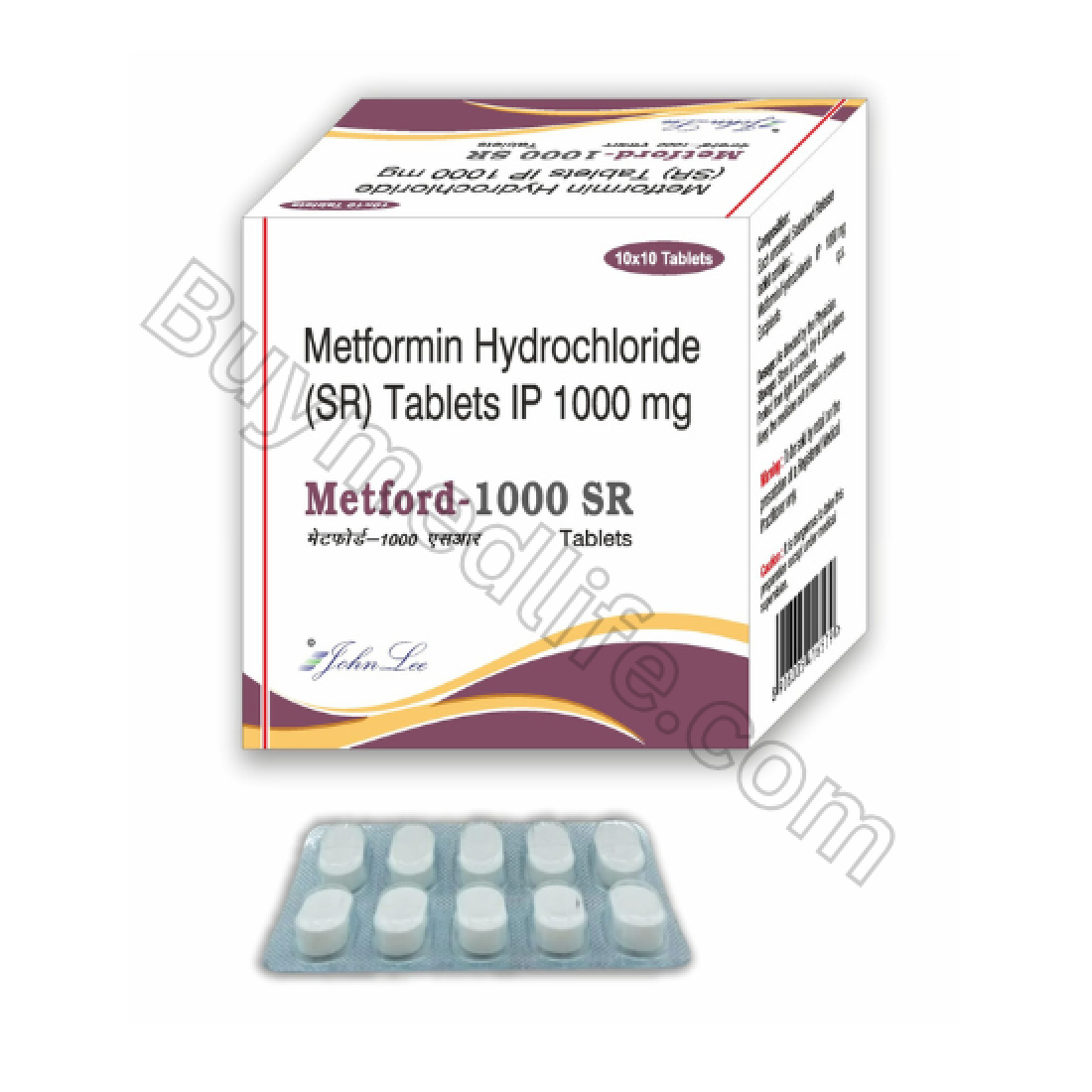
Managing Type 2 Diabetes Mellitus (T2DM) requires a combination of medication, diet, exercise, and regular medical supervision. Among the most trusted oral antidiabetic medicines, Metford 1000 SR plays a vital role in helping millions maintain healthy blood glucose levels.
This doctor’s guide will walk you through how Metford 1000 SR works, its benefits, how it differs from Metford 250, and best practices for effective diabetes management.
Understanding Type 2 Diabetes
Type 2 diabetes is a chronic condition where your body either doesn’t produce enough insulin or becomes resistant to it. As a result, glucose (sugar) builds up in the bloodstream, leading to complications such as heart disease, kidney damage, and vision problems.
The goal of treatment is to control blood glucose levels and prevent these long-term complications. This is where Metformin-based medications like Metford 1000 SR and Metford 250 come in.
What Is Metford 1000 SR?
Metford 1000 SR is an oral antidiabetic drug containing Metformin Hydrochloride as its active ingredient. It belongs to the biguanide class of medications and is designed as a Sustained Release (SR) tablet, meaning it releases the medicine gradually into your bloodstream over time.
Primary Functions:
- Decreases glucose production in the liver
- Increases insulin sensitivity in muscle tissues
- Improves glucose utilization by the body
- Reduces intestinal absorption of sugar
By controlling blood sugar efficiently, Metford 1000 SR helps lower the risk of diabetes-related complications.
Metford 1000 SR vs. Metford 250
While both Metford 1000 SR and Metford 250 contain Metformin, they differ in dosage strength and release mechanism.
| Feature | Metford 1000 SR | Metford 250 |
|---|---|---|
| Dosage Form | Sustained Release (SR) | Immediate Release (IR) |
| Dosage Strength | 1000 mg | 250 mg |
| Frequency | Once daily (usually after dinner) | 2–3 times daily |
| Absorption Rate | Slow and steady | Rapid absorption |
| Gastrointestinal Tolerance | Better tolerated | More GI side effects |
Doctors often start patients on Metford 250 to minimize side effects and gradually increase to Metford 1000 SR for better glucose control.
How Metford 1000 SR Works in the Body
Unlike insulin or some other antidiabetic drugs, Metford 1000 SR does not increase insulin production. Instead, it works with your body’s existing insulin in three main ways:
- Suppresses Liver Glucose Output:
The liver often releases excess glucose, especially at night or during fasting. Metformin reduces this unnecessary glucose production. - Enhances Insulin Sensitivity:
It helps the body’s cells use insulin more effectively, improving the uptake of glucose from the bloodstream. - Slows Intestinal Absorption:
By slowing down sugar absorption from the food you eat, Metformin helps maintain stable blood sugar levels throughout the day.
This mechanism makes Metford 1000 SR a cornerstone in the long-term management of Type 2 Diabetes.
Doctor’s Recommended Dosage and Administration
The dosage of Metford 1000 SR depends on your blood sugar levels, tolerance, and individual health profile. Always follow your doctor’s prescription.
Typical Dosage Plan:
- Starting Dose: Metford 250 mg or 500 mg once daily
- Maintenance Dose: Metford 1000 SR once daily, usually after the evening meal
Taking the tablet with food reduces gastrointestinal side effects like nausea or stomach upset.
Do’s and Don’ts:
Take the medication at the same time every day
Swallow whole — don’t crush or chew the tablet
Don’t skip meals or take on an empty stomach
Avoid alcohol, which increases the risk of lactic acidosis
Common Side Effects
While Metford 1000 SR is generally well tolerated, some users experience mild side effects during the first few weeks.
Mild Side Effects:
- Nausea
- Diarrhea
- Bloating or gas
- Metallic taste in mouth
- Loss of appetite
These effects often subside once the body adjusts to the medication. Starting with Metford 250 helps reduce these symptoms during the initial treatment phase.
Serious but Rare Side Effects:
- Lactic acidosis (muscle pain, fatigue, shortness of breath)
- Vitamin B12 deficiency with long-term use
- Liver or kidney function abnormalities
If you experience severe symptoms, contact your healthcare provider immediately.
Who Should Not Take Metford 1000 SR
Doctors usually avoid prescribing Metformin-based drugs to individuals with the following conditions:
- Severe kidney or liver impairment
- History of lactic acidosis
- Alcohol dependence
- Heart failure or recent heart attack
- Dehydration or severe infection
Always inform your doctor of your full medical history before starting Metford 1000 SR or Metford 250.
Lifestyle Tips for Effective Diabetes Management
Medication alone cannot control diabetes effectively. Combining Metford 1000 SR with lifestyle modifications yields the best results.
1. Follow a Balanced Diet
Choose foods that maintain steady blood sugar levels:
- Whole grains (brown rice, oats, quinoa)
- Vegetables and fiber-rich foods
- Lean proteins (chicken, tofu, lentils)
- Fruits with a low glycemic index (apples, berries)
Avoid:
- Sugary drinks and desserts
- Processed foods
- Alcohol and high-fat meals
2. Exercise Regularly
Aim for at least 30 minutes of moderate exercise (like walking, cycling, or yoga) most days of the week. Exercise helps improve insulin sensitivity and enhances the effects of Metford 1000 SR.
3. Monitor Blood Sugar
Regular blood glucose monitoring helps you and your doctor evaluate how well your treatment plan is working.
4. Stay Hydrated
Metformin can increase water loss; drink 8–10 glasses of water daily to prevent dehydration.
5. Schedule Regular Checkups
Routine follow-ups help track your progress, assess kidney and liver function, and adjust doses if necessary.
Combining Metford 1000 SR with Other Medications
Doctors sometimes prescribe Metford 1000 SR alongside other antidiabetic drugs when blood sugar control is insufficient.
Common Combinations:
- Sulfonylureas (e.g., Glimepiride): Increases insulin release
- DPP-4 inhibitors (e.g., Sitagliptin): Enhances insulin activity
- SGLT2 inhibitors (e.g., Dapagliflozin): Promotes glucose excretion via urine
- Insulin therapy: For patients needing intensive glucose control
Always inform your doctor of any other medicines or supplements you’re taking, as interactions can affect blood sugar regulation or kidney function.
Metford 1000 SR and Weight Management
A major advantage of Metford 1000 SR and Metford 250 is that they don’t cause weight gain — unlike other diabetes medications such as sulfonylureas or insulin.
Some studies even show modest weight loss due to reduced appetite and improved metabolism. This makes Metformin an excellent choice for overweight diabetic patients.
Alcohol and Metford 1000 SR: A Dangerous Mix
Drinking alcohol while taking Metformin-based medications can lead to lactic acidosis, a rare but potentially fatal condition.
Avoid alcohol consumption, especially in large amounts or on an empty stomach, as it increases liver strain and alters blood glucose levels.
Monitoring and Lab Tests
Regular lab tests help doctors ensure that Metford 1000 SR is working safely and effectively.
Commonly recommended tests include:
- Fasting blood sugar (FBS)
- HbA1c (Glycated Hemoglobin) every 3 months
- Kidney function tests (Creatinine, eGFR)
- Liver function tests (ALT, AST)
- Vitamin B12 levels annually for long-term users
These tests ensure early detection of any metabolic or organ-related issues.
Long-Term Benefits of Metford 1000 SR
When used consistently under medical supervision, Metford 1000 SR offers several benefits:
- Better blood glucose control
- Reduced cardiovascular risk
- Improved energy levels
- Weight stability
- Lower risk of diabetes complications
The key to success lies in combining the medication with proper diet, exercise, and regular medical monitoring.
When to Consult Your Doctor Immediately
Seek immediate medical attention if you experience:
- Severe nausea or vomiting
- Persistent fatigue
- Shortness of breath
- Irregular heart rate
- Severe abdominal pain
These could indicate metabolic complications like lactic acidosis or liver issues that need urgent care.
Frequently Asked Questions (FAQs)
1. Can Metford 1000 SR cure diabetes?
No. It helps control blood sugar levels effectively but does not cure diabetes. Lifestyle changes are essential for long-term management.
2. How long does it take to work?
You may notice improved blood sugar control within 1–2 weeks, but full benefits appear after 4–6 weeks of consistent use.
3. Can I take Metford 1000 SR and Metford 250 together?
Your doctor may prescribe both temporarily during dose adjustments. Never combine doses without medical supervision.
4. What should I do if I miss a dose?
Take it as soon as you remember, but skip it if it’s almost time for your next dose. Never double up to make up for a missed tablet.
5. Can I stop taking Metford 1000 SR if my sugar levels are normal?
No. Always consult your doctor before discontinuing. Stopping abruptly can cause your blood sugar to rise again.
Conclusion
Metford 1000 SR is a trusted and effective medication for managing Type 2 Diabetes. It works by improving your body’s response to insulin, lowering liver glucose production, and maintaining balanced sugar levels throughout the day.
When combined with Metford 250 in early stages or during dose adjustments, it offers flexible, safe, and efficient blood sugar control.
Remember — successful diabetes management isn’t about medication alone. A healthy diet, regular exercise, and doctor supervision make all the difference. Always take Metford 1000 SR exactly as prescribed, and you’ll be well on your way to stable, long-term diabetes control.

 English
 Arabic
 French
 Spanish
 Deutsch
 Turkish
 Dutch
Dutch
 Italiano
 Russian
 Romaian
 Portuguese (Brazil)
 Greek
Greek