


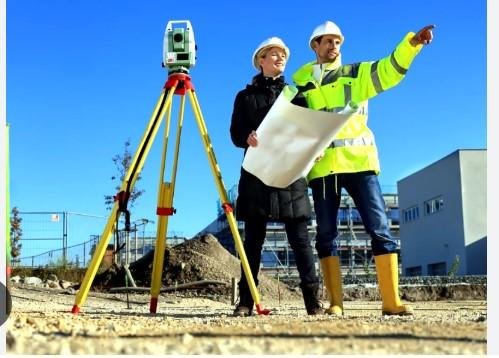
Before breaking ground on any construction or excavation project, one critical step can mean the difference between success and catastrophe: conducting a comprehensive buried services survey. These surveys identify underground utilities and infrastructure that could pose serious safety risks, legal liabilities, and costly delays if damaged during excavation work.
Whether you're planning a small residential renovation or a large-scale commercial development, understanding buried services surveys will help you navigate the complexities of underground utility detection. This guide covers everything you need to know about these essential assessments, from the technology involved to the legal requirements that govern their use.
The consequences of striking an unmarked gas line, fiber optic cable, or water main extend far beyond project delays. They can result in service disruptions affecting entire communities, hefty fines from regulatory authorities, and potentially life-threatening accidents. Smart project planning starts with knowing what lies beneath.
What Are Buried Services Surveys?
Buried services surveys are systematic investigations that map the location, depth, and type of underground utilities and infrastructure before excavation begins. These surveys use specialized detection equipment and techniques to create detailed records of subsurface features that could interfere with construction activities.
The scope of a typical survey includes water mains, gas lines, electrical cables, telecommunications infrastructure, fiber optic networks, sewer systems, and storm drains. Modern surveys also identify abandoned utilities, unmarked connections, and temporary services that may not appear in existing utility records.
Professional surveyors combine multiple detection methods to ensure comprehensive coverage. Ground-penetrating radar reveals non-metallic utilities like plastic pipes, while electromagnetic locators track metallic services. This multi-technology approach provides the most accurate picture of underground conditions.
Types of Underground Services Detected
Utility Infrastructure
Water supply lines represent some of the most critical services detected during surveys. These pressurized systems can cause significant flooding and service disruptions when accidentally damaged. Gas lines pose even greater risks, with potential for explosions and toxic exposure requiring immediate emergency response.
Electrical services range from low-voltage residential connections to high-voltage transmission lines carrying dangerous amounts of current. Telecommunications infrastructure includes traditional copper phone lines, coaxial cables for internet service, and increasingly common fiber optic networks that support modern digital communications.
Drainage and Waste Systems
Sewer mains handle wastewater from residential and commercial properties, while storm drains manage surface water runoff during precipitation events. These systems often run at significant depths and may not follow predictable routing patterns, making professional detection essential.
Combined sewer systems, common in older urban areas, handle both wastewater and stormwater in the same infrastructure. Damage to these systems can result in environmental contamination and expensive remediation requirements.
Specialized Services
Modern buried services surveys also detect heating systems like district heating pipes, cooling lines for large commercial buildings, and compressed air systems used in industrial facilities. Fuel lines serving gas stations and heating oil tanks require special attention due to environmental protection regulations.
Some properties contain abandoned utilities that previous owners or contractors failed to properly remove. These "ghost" services can interfere with new construction and may still pose safety hazards even when no longer in active use.
Survey Methods and Technology
Ground-Penetrating Radar (GPR)
GPR systems transmit electromagnetic waves into the ground and analyze the reflected signals to identify subsurface objects. This technology excels at detecting non-metallic utilities like plastic water lines, concrete structures, and void spaces that other methods might miss.
Different radar frequencies provide varying levels of depth penetration and resolution. High-frequency antennas offer detailed images of shallow features, while lower frequencies can detect deeper utilities at the cost of reduced detail. Professional surveyors select appropriate frequencies based on site conditions and project requirements.
Electromagnetic Location
Electromagnetic locators detect metallic utilities by identifying the electromagnetic fields they generate or conduct. Active location involves applying a signal to the target utility and tracking it with a receiver, while passive location detects naturally occurring signals from powered electrical services.
Signal clamps allow surveyors to apply tracing signals to specific utilities without direct electrical connection. This capability proves especially valuable when investigating complex utility networks or when access points are limited.
Utility Mapping Software
Modern surveys integrate field data collection with sophisticated mapping software that creates detailed underground utility maps. GPS coordinates ensure accurate positioning, while digital documentation provides permanent records for future reference.
Three-dimensional modeling capabilities help visualize complex underground environments and identify potential conflicts between proposed construction and existing utilities. These digital maps become valuable assets for property owners and future contractors working on the site.
Legal Requirements and Compliance
Call Before You Dig Laws
Most jurisdictions require property owners and contractors to contact utility location services before beginning excavation work. These "call before you dig" programs arrange for utility companies to mark their services, but coverage may be incomplete or outdated.
Private utility location services fill gaps in public marking programs by detecting services that utility companies don't maintain or mark. Property owners remain liable for utility damage even when public marking services have been contacted, making comprehensive surveys a prudent risk management strategy.
Construction Industry Standards
Professional engineering standards require thorough site investigation before major construction projects. Buried services surveys provide essential data for foundation design, utility routing, and construction sequencing that ensures safe and efficient project completion.
Insurance companies increasingly require evidence of proper utility detection before providing coverage for excavation-related activities. Comprehensive survey documentation demonstrates due diligence and may reduce insurance premiums or liability exposure.
Environmental Protection Requirements
Damage to fuel lines, chemical storage systems, or contaminated soil can trigger expensive environmental remediation requirements. Buried services surveys help identify these potential hazards before excavation begins, allowing for appropriate safety measures and regulatory compliance.
Some properties contain underground storage tanks that previous owners may not have properly documented or removed. These tanks pose significant environmental risks and require specialized handling procedures that must be planned in advance.
Benefits of Professional Surveys
Safety Protection
Professional surveys dramatically reduce the risk of utility strikes that can cause injuries, fatalities, or property damage. Gas line strikes pose explosion risks, while electrical contacts can cause electrocution or fires. Water line damage creates slip hazards and potential structural problems from flooding.
Survey documentation provides legal protection by demonstrating reasonable care in project planning. This documentation becomes valuable evidence if accidents occur despite proper precautions, potentially reducing liability exposure for property owners and contractors.
Cost Management
Utility damage repairs often cost many times more than the original survey investment. Emergency repairs require immediate response, premium labor rates, and expedited materials that drive up costs significantly. Indirect costs include project delays, permit complications, and potential legal expenses.
Accurate utility mapping allows contractors to plan efficient excavation sequences and select appropriate equipment for site conditions. This planning reduces labor costs and minimizes the need for expensive specialized equipment or techniques.
Project Planning Benefits
Comprehensive utility maps enable better construction scheduling by identifying potential conflicts before they cause delays. Contractors can coordinate with utility companies to relocate services when necessary, avoiding last-minute complications that disrupt project timelines.
Survey data supports permit applications by providing authorities with detailed information about existing site conditions. Many jurisdictions require utility mapping for construction permits, and professional surveys expedite the approval process.
Choosing Survey Professionals
Qualifications and Experience
Select survey providers with appropriate professional certifications and demonstrated experience in similar projects. Industry certifications ensure technicians understand proper equipment operation and safety procedures, while project experience indicates familiarity with local conditions and requirements.
References from previous clients provide insight into service quality and reliability. Contact recent clients to discuss their experience with survey accuracy, timeline adherence, and problem resolution when issues arose.
Technology and Capabilities
Evaluate survey providers based on their available technology and detection capabilities. Companies using multiple detection methods provide more comprehensive results than those relying on single-technology approaches.
Ask about data delivery formats and whether digital mapping services are included. Modern survey providers offer CAD-compatible files, GPS coordinates, and web-based mapping platforms that integrate with other project documentation.
Insurance and Liability
Verify that survey providers carry appropriate professional liability insurance and general liability coverage. These protections become essential if survey errors lead to utility damage or other problems during construction.
Review contract terms carefully to understand warranty provisions and liability limitations. Some providers offer guarantees on survey accuracy within specified tolerances, while others limit liability to the survey cost.
Making Buried Services Surveys Work for Your Project
Buried services surveys represent a critical investment in project safety, cost control, and timeline management. The relatively modest cost of professional utility detection pales compared to the potential expenses and risks associated with utility strikes and excavation accidents.
Start planning your survey early in the project development process to allow time for utility relocations or design modifications if conflicts are identified. Coordinate with local utility companies and regulatory authorities to ensure all marking and notification requirements are met.
Remember that survey technology continues evolving, with new detection methods and mapping capabilities regularly becoming available. Work with survey professionals who stay current with industry developments and can recommend the most appropriate methods for your specific project requirements.
The success of your excavation project depends on understanding what lies beneath the surface. Professional buried services surveys provide the knowledge and documentation needed to proceed with confidence, protecting your investment and ensuring the safety of everyone involved in your construction activities.

 English
 Arabic
 French
 Portuguese
 Deutsch
 Turkish
 Dutch
Dutch
 Italiano
 Russian
 Romaian
 Portuguese (Brazil)
 Greek
Greek